Dealer Gamma, Sentiment Collapse, and the 7,500 Pin: Reading Late-July 2026 Market Structure

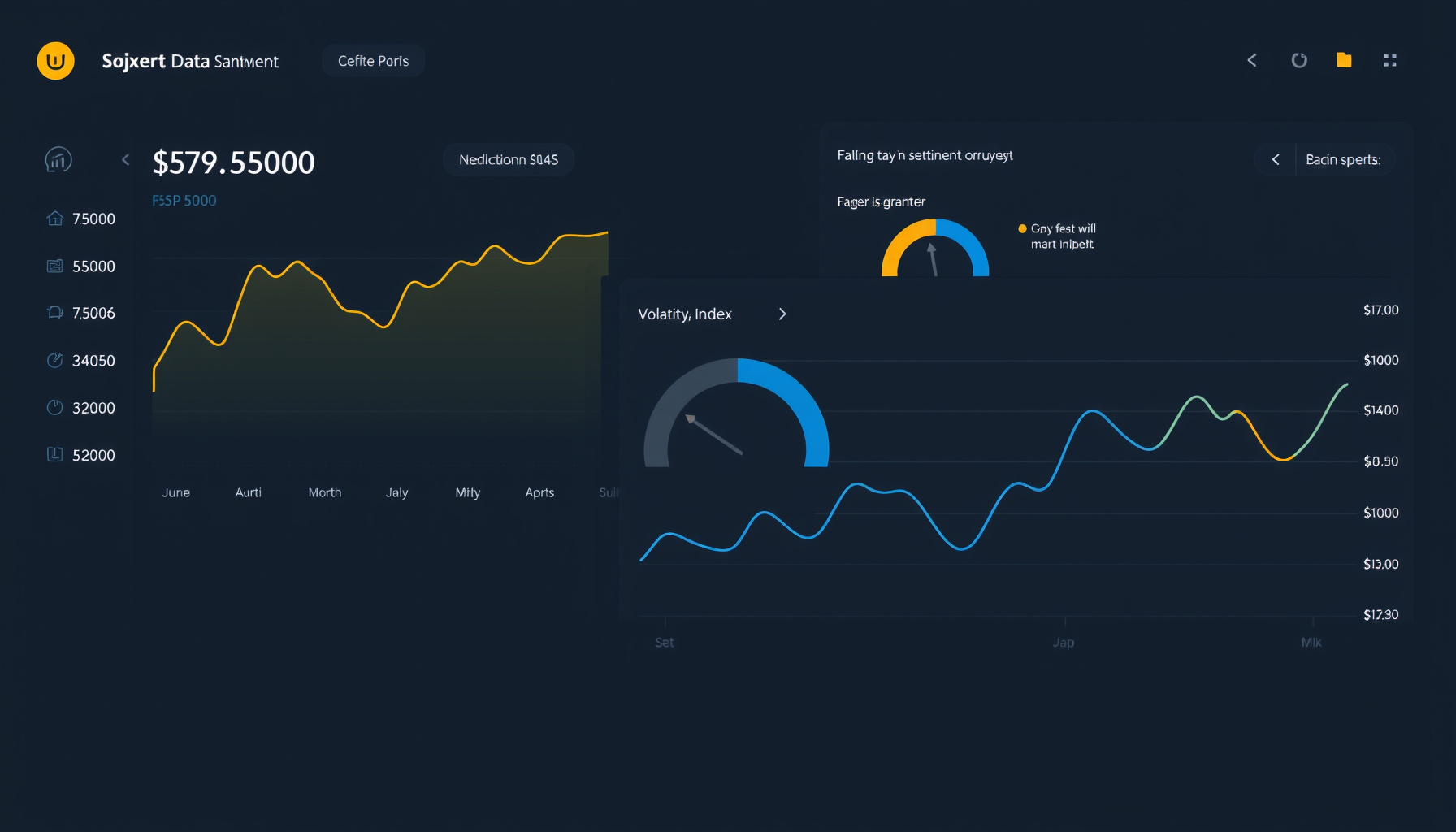
The SPX is doing something remarkable right now: it’s pinned to 7,500 like a moth to a porch light, and the dealer community is the one holding the bulb. As of July 31, 2026, spot sits at 7,490 with a gamma flip at 7,477 and net dealer gamma in positive territory at +$567 billion (OpenSera). That’s not a coincidence. That’s structure.
But beneath the surface, retail sentiment has cratered, ETF flows are bifurcated, and the COT data shows institutions quietly holding the bag. This is the classic setup for a complacent floor: dealers suppress vol, price grinds higher, and everyone assumes the pin is permanent. It isn’t. The tripwire is 7,477.
Let’s break down the mechanics, the data, and what you should actually be watching into August.
The Gamma Pin: Why 7,500 Holds
Dealer gamma is the derivative of dealer delta with respect to spot. When dealers are long gamma (positive net gamma), they must sell rallies and buy dips to stay delta-neutral. This dampens realized volatility and mechanically pulls price toward the strike with the highest gamma concentration — the “max gamma” level.
Right now, that level is 7,500. Both the call wall and the put wall sit at 7,500, which means dealers are simultaneously short calls and short puts at that strike (OpenSera). The result is a gravitational pull: every dip toward 7,477 gets bought by dealer hedging, and every rally toward 7,500 gets sold. The 1-day expected move is ±54 points, which keeps intraday ranges tight enough to reinforce the pin.
Here’s the full gamma surface as of July 31:
| Level | Value | Interpretation |
|---|---|---|
| SPX Spot | 7,490 | Below max gamma, above flip |
| Gamma Flip (Zero Gamma) | 7,477 | Regime change trigger |
| Max Gamma / Call Wall / Put Wall | 7,500 | Pin level, high dealer hedging |
| Net Dealer Gamma | +$567B | Positive regime, vol dampening |
| 1-Day Expected Move | ±54 pts | Tight intraday range |
| 0DTE Gamma Concentration | 32% | Structural intraday vol suppression |
The 32% 0DTE concentration is the dirty secret here (OpenSera). With a third of all gamma expiring same-day, dealers are forced to hedge intraday rather than over multi-day horizons. This suppresses VIX-style vol but creates a fragile equilibrium: if spot breaks below 7,477, the 0DTE gamma that was supporting the pin flips negative, and dealers become forced sellers on down moves.
Sentiment Collapse: The Contrarian Signal
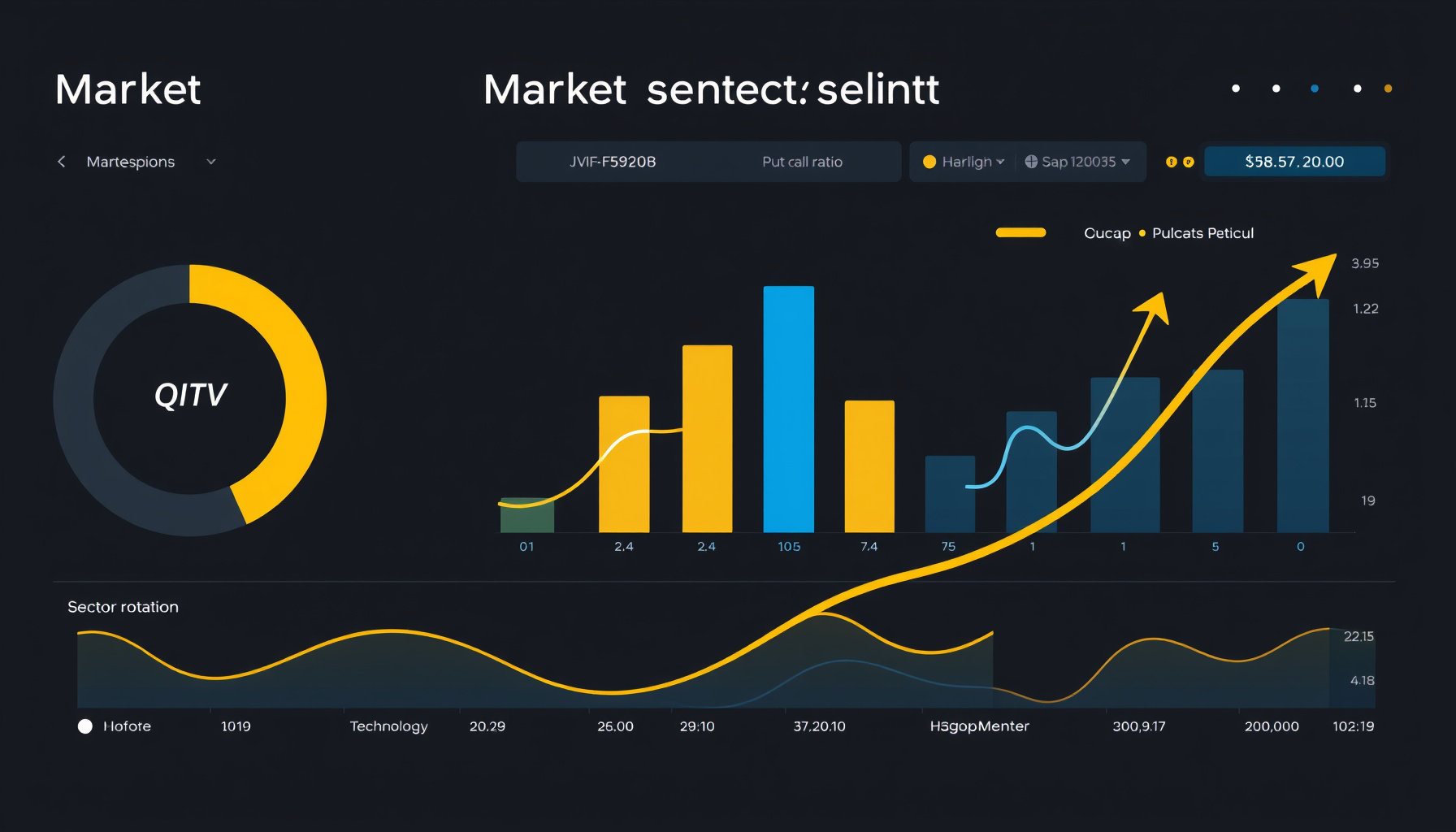
While the options market is screaming “calm,” retail sentiment is screaming the opposite. The AAII survey for the week ending July 24, 2026 showed bullish sentiment falling sharply from one of the year’s highest readings to its lowest (RealClearMarkets). The long-term average is 37.5% bullish, and we’re now well below that.
This is a textbook contrarian setup. When retail capitulates while price holds at highs, it usually means the marginal seller is exhausted. But it also means there’s no fresh fuel from the crowd. The next leg up has to come from institutional flows, and the COT data suggests they’re already positioned.
Flows and Positioning: Institutional Steadiness vs. Retail Flight
The ETF data tells a mixed story. For the week ended July 22, 2026, total outflows from long-term funds plus ETFs were $3.17 billion (ICI Combined Flows). But just a week earlier, ETF net issuance was a massive $28.48 billion (ICI ETF Flows). That’s a violent reversal in a two-week window.
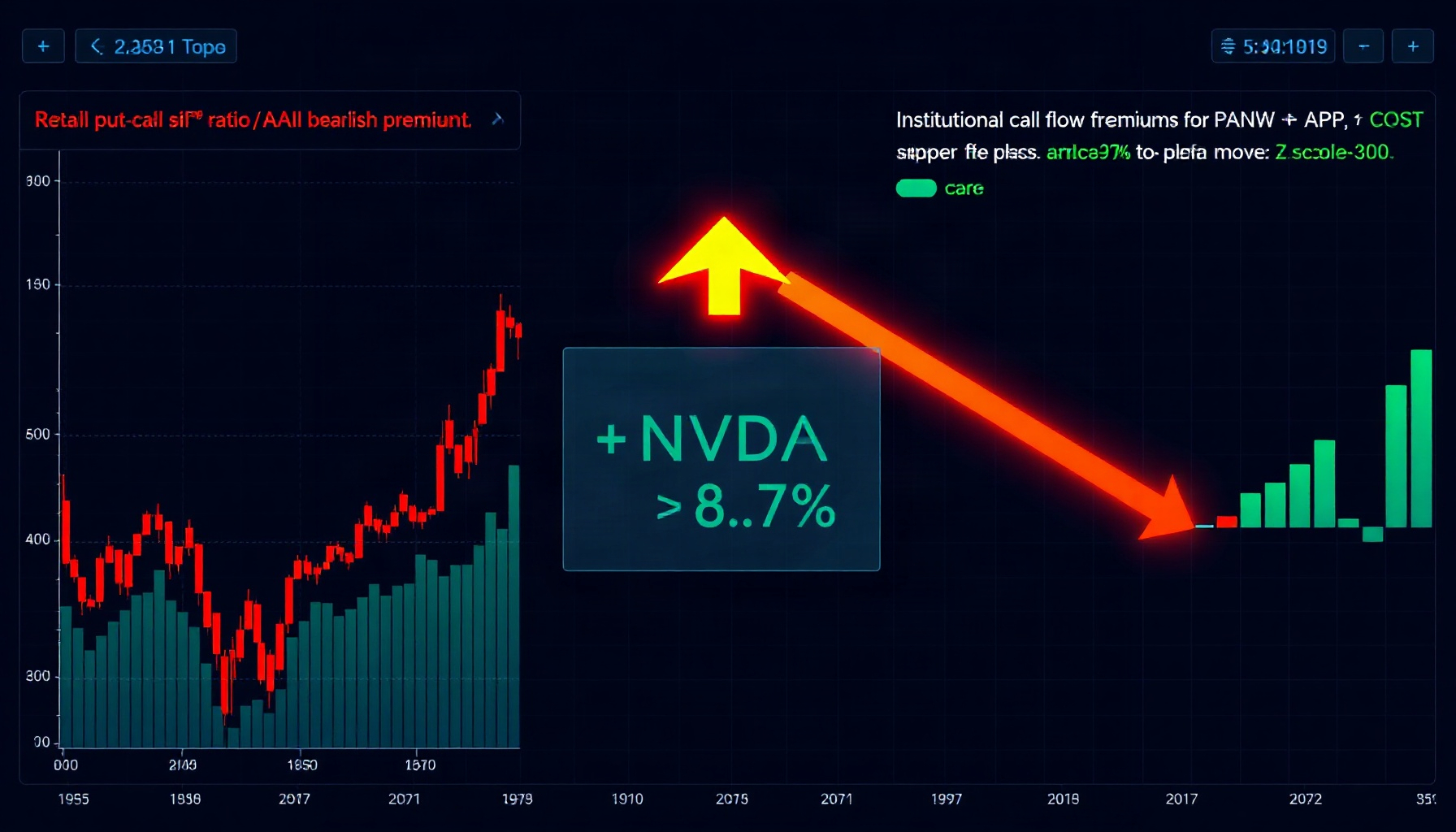
Sector-level data shows the rotation is real. On July 23, tech and semiconductor ETFs shed billions: Invesco QQQ lost $2.66B, iShares lost $2.56B, and SPDR lost $2.01B (ETF Action). But on July 7, semis had seen $3B+ in daily inflows, with SMH taking $1.78B and SOXX $1.16B (ETF Action).
So the pattern is: institutions bought the July 7 dip, retail chased, and then retail dumped on July 23. The COT report for the week of July 21 confirms the institutional side: asset managers are net long the S&P 500, while the Nasdaq shows the clearest bearish equity flow with leveraged funds trimming (SmartFlow Trading, CFTC).
The takeaway: institutions are holding, retail is fleeing, and dealers are pinning price. That’s a recipe for a slow grind higher until something breaks.
The Tripwire: A Monitoring Framework
You don’t need a Bloomberg terminal to track this. Here’s a Python function that computes the dealer gamma exposure (GEX) proxy and flags the regime change:
import numpy as np
import pandas as pd

def compute_gex(option_chain, spot, call_wall, put_wall, flip_level):
    """
    Compute net dealer gamma exposure (GEX) proxy.

    Parameters:
    - option_chain: DataFrame with columns ['strike', 'gamma', 'open_interest', 'option_type']
    - spot: current SPX level
    - call_wall: strike with max call gamma
    - put_wall: strike with max put gamma
    - flip_level: zero-gamma level

    Returns:
    - net_gex: dollar gamma exposure in billions
    - regime: 'positive' or 'negative'
    """
    # Dealer gamma is opposite sign to option gamma
    # Calls: dealer is short -> negative gamma exposure
    # Puts: dealer is short -> positive gamma exposure
    chain = option_chain.copy()
    chain['dealer_gamma'] = np.where(
        chain['option_type'] == 'call',
        -chain['gamma'] * chain['open_interest'] * 100 * spot,
        chain['gamma'] * chain['open_interest'] * 100 * spot
    )

    net_gex = chain['dealer_gamma'].sum() / 1e9  # in billions

    # Regime check
    if spot > flip_level:
        regime = 'positive'
    else:
        regime = 'negative'

    # Distance to key levels
    levels = {
        'spot': spot,
        'flip': flip_level,
        'call_wall': call_wall,
        'put_wall': put_wall,
        'dist_to_flip': spot - flip_level,
        'dist_to_pin': call_wall - spot
    }

    return net_gex, regime, levels

# Example with July 31, 2026 data
spot = 7490.0
flip = 7477.0
call_wall = 7500.0
put_wall = 7500.0

# Hypothetical chain - replace with real data
sample_chain = pd.DataFrame({
    'strike': [7450, 7475, 7500, 7525],
    'gamma': [0.0004, 0.0006, 0.0009, 0.0005],
    'open_interest': [15000, 20000, 35000, 18000],
    'option_type': ['put', 'put', 'call', 'call']
})

gex, regime, levels = compute_gex(sample_chain, spot, call_wall, put_wall, flip)
print(f"Net GEX: ${gex:.1f}B ({regime})")
print(f"Distance to flip: {levels['dist_to_flip']:.1f} pts")
print(f"Distance to pin: {levels['dist_to_pin']:.1f} pts")
The key line is dist_to_flip. When that number goes negative, you’re in negative gamma territory, and the 32% 0DTE concentration will amplify every move by a factor of two to three (OpenSera).
Practical Trading Framework
Here’s what to watch, in order of priority:
-
7,477 is the line in the sand. A daily close below this flips the regime. Don’t wait for confirmation — pre-position with hedges if you’re long. In positive gamma, buy dips. In negative gamma, sell rallies.
-
0DTE gamma concentration at 32% means intraday reversals are violent (OpenSera). The pin at 7,500 will hold during the session, but if spot opens below 7,477, expect a 100+ point move by lunch. The 1-day expected move of ±54 points is a lagging indicator; it will expand fast.
-
Watch the AAII reading next week (RealClearMarkets). If bullish sentiment stays below 30% while price makes new highs, that’s a strong continuation signal. If sentiment rebounds above 40% while price stalls, that’s distribution.
-
Semiconductor stocks are the tell. AMD at $476.15, TSM at $404.25, MU at $823.03 — these are extended (Yahoo Finance). If SMH starts seeing outflows again (like the July 23 $2.66B QQQ dump ETF Action), the Nasdaq COT bearishness will materialize. The leveraged funds trimming Nasdaq futures is the early warning.
-
The complacency floor works until it doesn’t. Positive gamma with $567B of net exposure is a lot of dry powder for dealers to buy dips (OpenSera). But that powder is concentrated at 7,500. If spot grinds to 7,550 without a pullback, the max gamma level shifts, and the pin becomes a springboard — not a ceiling.
The Bottom Line
The market is in a delicate equilibrium: dealers are long gamma and pinning price at 7,500, retail is capitulating, and institutions are quietly accumulating (OpenSera). This is a bullish structure in the short term, but the 7,477 flip is a hard stop. If that breaks, the 32% 0DTE gamma concentration will turn the pin into a magnet for selling.
Trade the levels, not the narrative. 7,477 is your tripwire. 7,500 is your pin. Everything else is noise.
← Back to all posts