All Posts
AI-powered stock analysis, quantitative research, and ML trading strategies.
Earnings-Call Sentiment: FinBERT vs Loughran-McDonald in Python
Score earnings-call sentiment in Python with the context-aware FinBERT model and the Loughran-McDonald dictionary, plus an EDGAR pipeline and licence caveats.
LLM Stock Selection Feeding a Classical Optimizer: Evidence, a Runnable Pipeline, and Where It Breaks
How LLM rankings can feed classical portfolio optimizers, with documented evidence, runnable Python, and named failure modes.

Survivorship Bias in Backtests: A Delisting-Aware Point-in-Time Universe in Python (2026)
Survivorship bias quietly inflates backtests by dropping failed stocks. Build a delisting-aware point-in-time universe in pure Python and measure the gap.
Bayesian Online Changepoint Detection for Market Regimes in Python
A practical guide to Bayesian online changepoint detection in Python for identifying market regime shifts using run-length posteriors and clear code examples.

Time-Series Momentum in Python: Replicating Moskowitz-Ooi-Pedersen on ETFs
Replicate time-series momentum on liquid ETFs in Python using public data, testing volatility scaling, benchmark performance, and predictive limits.
The Volatility Risk Premium in Python: What VIX Actually Measures
A data-first guide to measuring the volatility risk premium from VIX and S&P 500 data in Python, with honest limits, caveats, and real market failure cases.

Market Regime Daily Check: A 15-Minute Educational Workflow
A beginner-friendly guide to a daily fifteen-minute market regime workflow that combines breadth, uptrend, and exposure checks into an educational posture.

Rolling Beta for AI Semiconductor Stocks: OLS vs Blume vs Kalman in Python
We compare rolling OLS, Blume-adjusted, and Kalman betas for five AI semiconductor stocks in Python, then report the measured differences on one public sample.

Walk-Forward Validation Pitfalls for Retail Stock Models (and the Checks That Catch Them)
Six walk-forward validation pitfalls that inflate quant backtest scores, from selection bias to label overlap, each with a fix and a check you can run.

Hawkes Processes for Trade Clustering: Fitting a Self-Exciting Point Process to Tick Data in Python
Fit a self-exciting Hawkes process to tick-level trades in Python, verify the likelihood, and use a Poisson null control before trusting any branching ratio.
VPIN Order-Flow Toxicity in Python: Bulk Volume Classification and the Case Against It
A practical guide to VPIN order-flow toxicity and Bulk Volume Classification in Python, weighing the original claims against the published critiques directly.

Almgren–Chriss Optimal Execution in Python: Scheduling a Large Equity Order
How the Almgren–Chriss model trades market impact against timing risk, with runnable Python code, calibration from real order data and its honest limits.

Point-in-Time Fundamentals from SEC EDGAR XBRL: Building a Leak-Free Equity Panel in Python
Build a point-in-time fundamentals panel from SEC EDGAR XBRL in Python: rate-limited fetches, CIK resolution, and merge_asof joins keyed on filing dates.

Bootstrap Confidence Intervals for Backtest Sharpe Ratios in Python (2026)
Learn how to wrap a backtest Sharpe ratio in a block-bootstrap confidence interval using Python's arch library, with runnable code and clear practical caveats.

Equity Risk Premium vs Real Yields: A Python Monitor Built on FRED and Damodaran Data
A Python monitor wires FRED real and nominal Treasury yields with Damodaran's year-end implied equity risk premium, showing what each series can and cannot say.
Combinatorial Purged Cross-Validation in Python: Leak-Free Backtest Splits
Combinatorial purged cross-validation in numpy: purge and embargo windows, C(N,K) backtest splits, and a synthetic check showing leaking rows fall to zero.
Factor Zoo Multiple Testing: Harvey–Liu–Zhu’s t-Ratio Hurdle in Python
Why |t| > 2.0 fails in a factor zoo: Harvey–Liu–Zhu’s 3.0 hurdle, FWER vs FDR, and a synthetic Python demo of Holm and Benjamini–Hochberg.
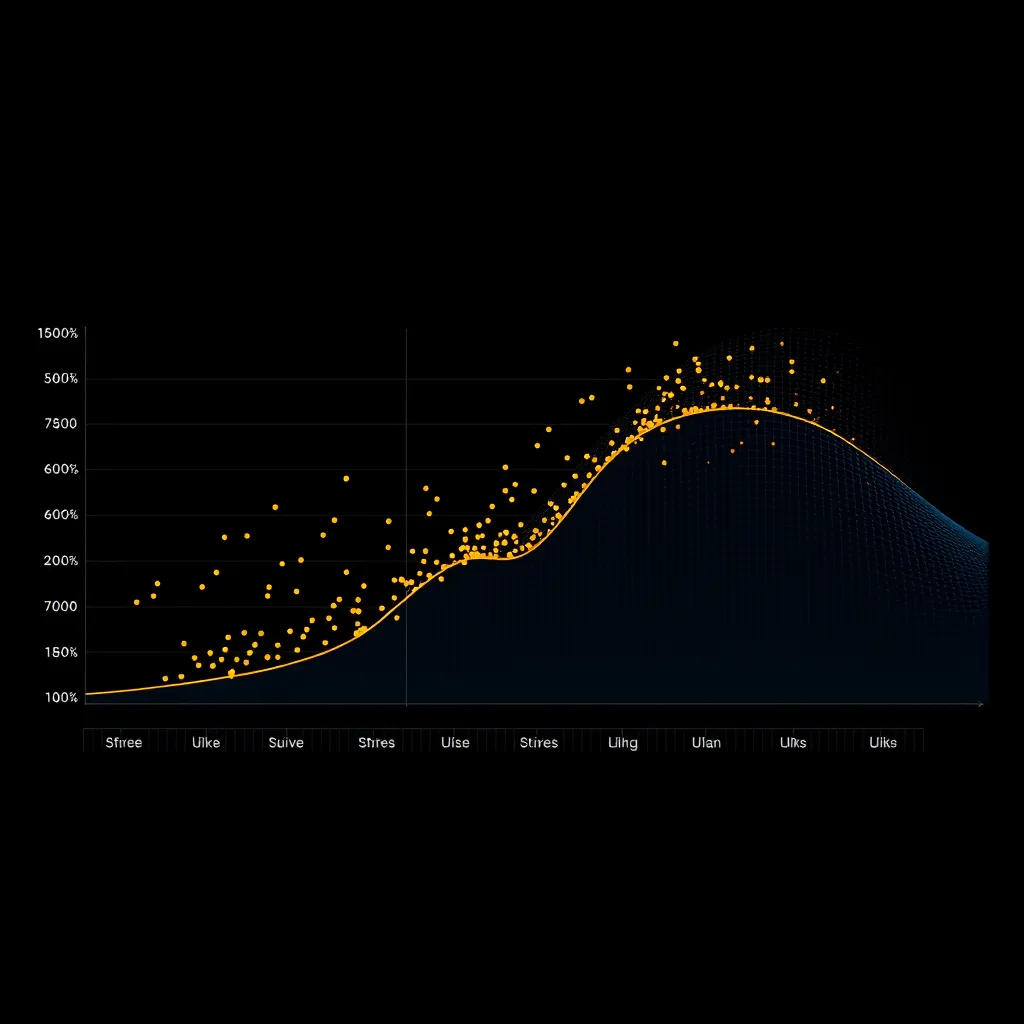
SVI Volatility Surface in Python: Fit, Then Audit
Fitting an SVI volatility surface in Python starts with a live option chain, per-expiry least squares fitting, and butterfly plus calendar arbitrage checks.

Mika-style phone agents for market-data checks: what a stock analyst can automate
Voice AI agents can scale qualitative expert checks and channel color, but deterministic market-data feeds still own prices, fundamentals and corporate actions.
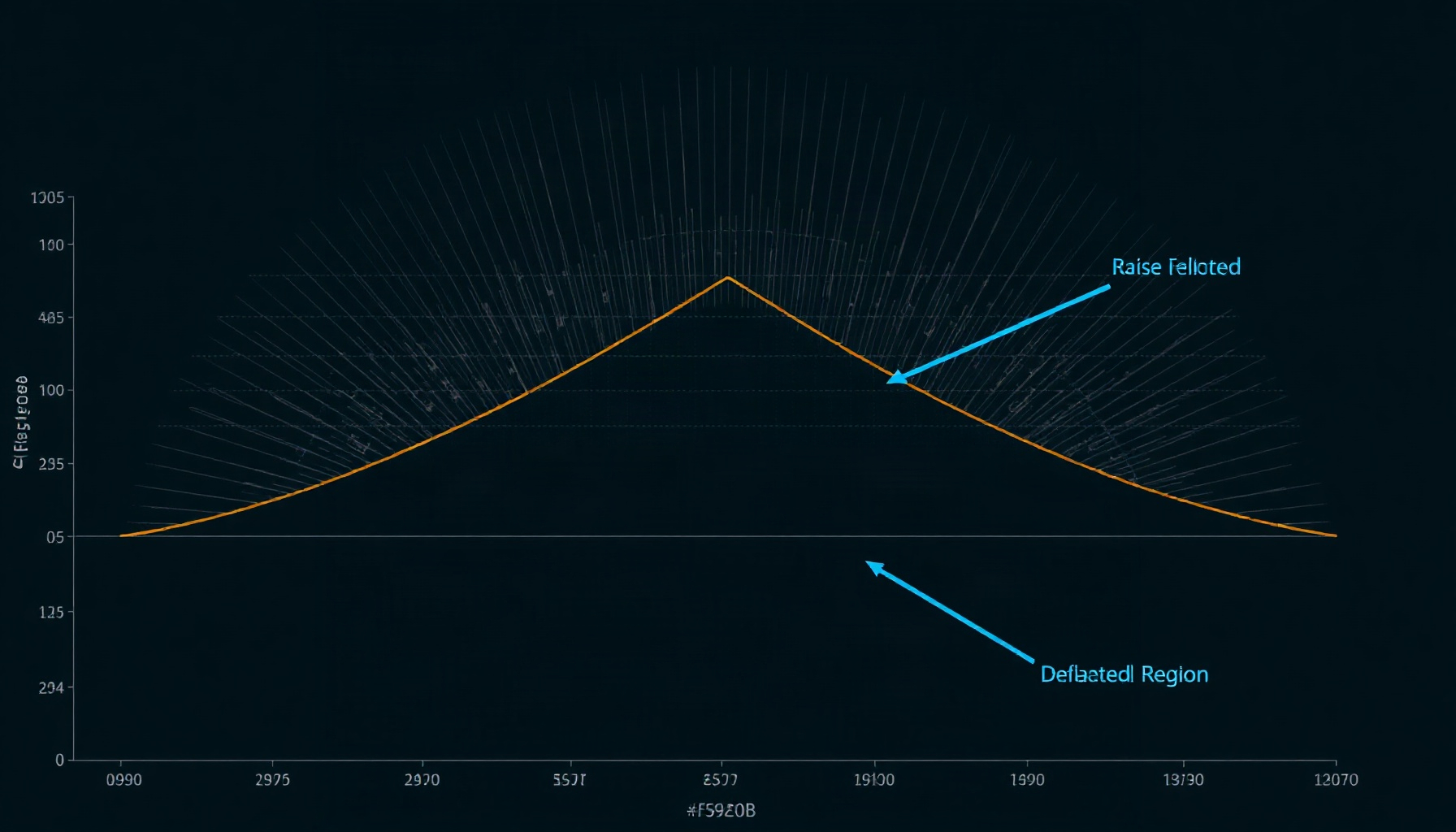
Deflated Sharpe Ratio in Python: Correcting Backtest Sharpe for Selection Bias
Compute the Deflated Sharpe Ratio in Python from scratch to correct a backtest Sharpe for multiple testing, selection bias, and non-normal return distributions.

Momentum Crash Risk in Python: Panic States and Volatility Scaling
Learn how to flag panic-state momentum crashes and volatility-scale momentum exposure in Python, with a runnable synthetic-data demo and numpy/pandas code.
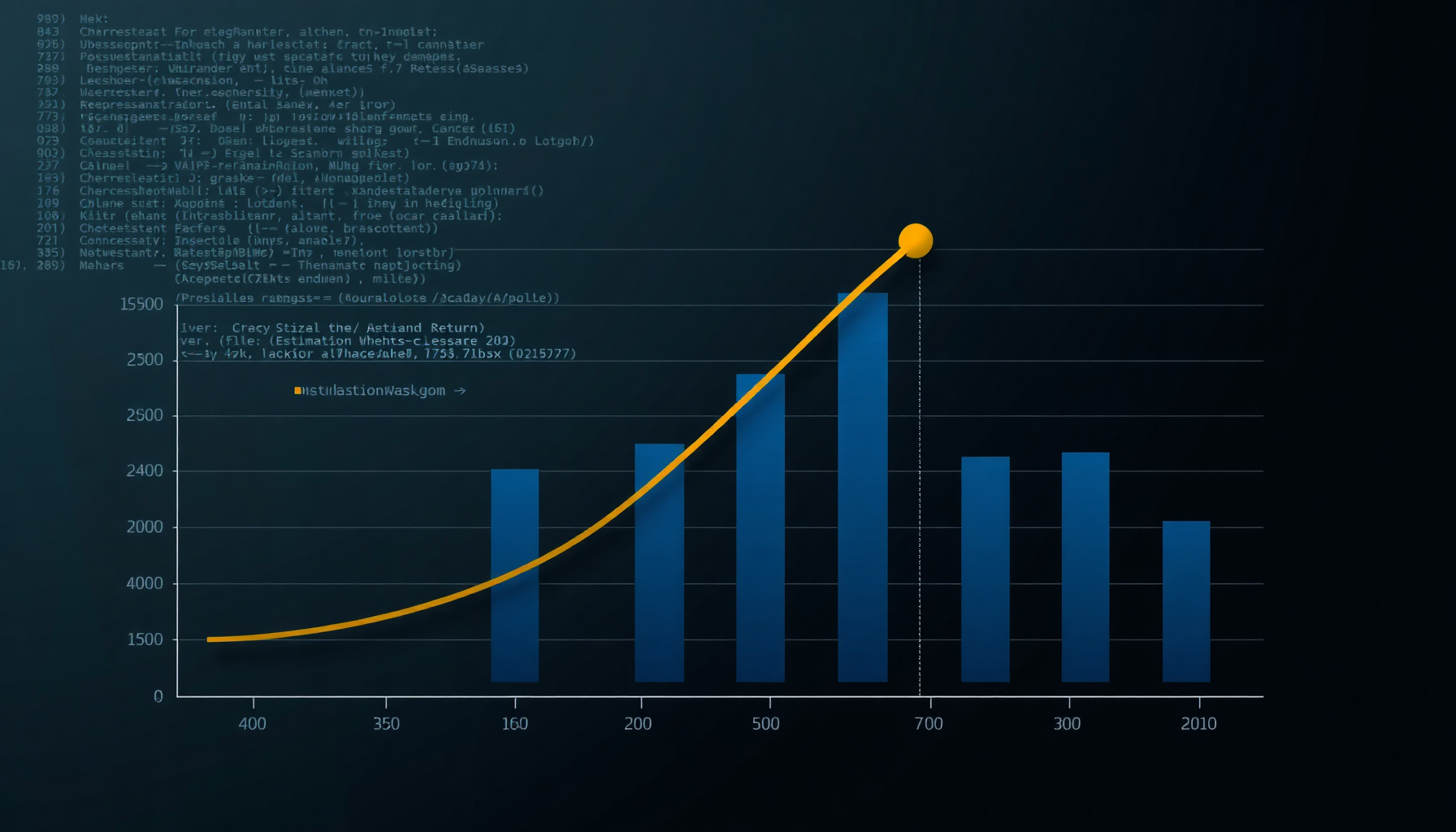
Measuring Post-Earnings-Announcement Drift in Python: An Honest Event-Study Skeleton
How to measure post-earnings-announcement drift in Python: surprise definitions, event-window alignment, and the look-ahead, survivorship, and overlap traps.

Monte Carlo Portfolio Allocation in Python: Random Weights vs an Optimiser
Random-weight Monte Carlo portfolio simulation in Python, compared honestly with PyPortfolioOpt's closed-form optimiser, with runnable code and sourced limits.

Pyfolio vs QuantStats vs Alphalens: Which Tear Sheet to Use in 2026
pyfolio-reloaded is in minimal maintenance while QuantStats is actively developed, so choose your tear sheet by the question it answers, not its charts.

GARCH Volatility Forecasting in Python: Fitting, Checking, and Sizing Positions with arch
Fitting GARCH-family volatility models in Python with the arch package: residual checks, variance forecasts, and a volatility-targeted position sizing workflow.
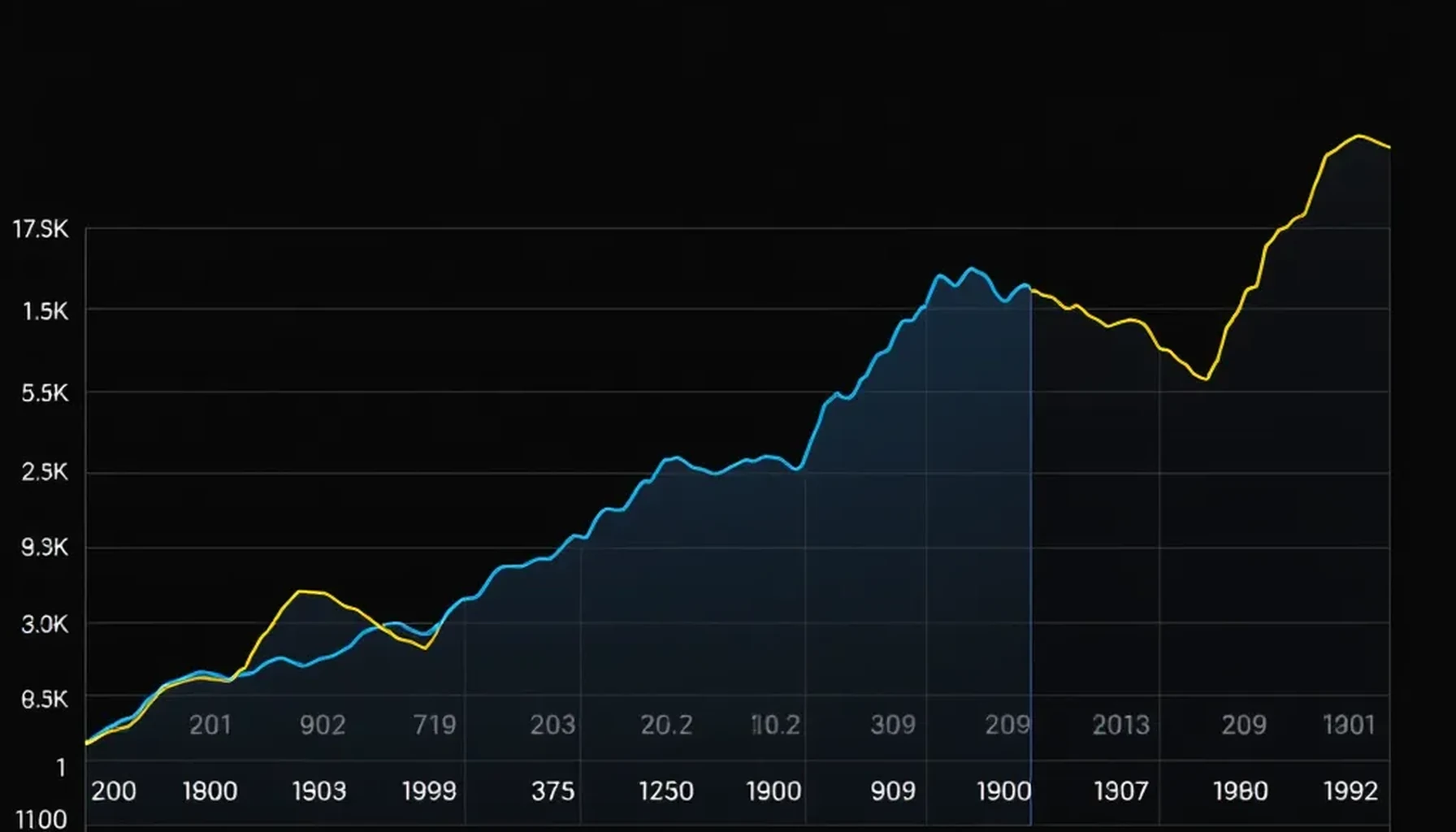
Conformal Prediction Intervals for Equity Return Forecasts in Python
How split conformal prediction and conformalized quantile regression turn an equity return forecast into a calibrated interval, and where the guarantee breaks.

Order Flow Imbalance in Python: The Cont–Kukanov–Stoikov Price-Impact Signal, Rebuilt Correctly
Build a price-impact signal from Level-1 order flow imbalance in Python, with the sign conventions, tie-case trap, and look-ahead-safe pandas steps explained.

Asserted vs Attested: Market-Data Checks After VeriCUA (2026)
A 2026 paper's attested-vs-asserted rule maps onto market-data QA: vendor flags alone never prove a check passed, and abstention is the correct verdict.

Scoring AI Semi Guidance: A Weighted Rubric for NVDA and AVGO
Build a weighted five-factor rubric to score AI semiconductor guidance, then apply it to NVIDIA and Broadcom outlooks with pure Python standard library code.

Options-Implied Volatility Skew for AI Semiconductor Stocks, Explained
This guide reads put-call skew, term structure and implied earnings moves in NVDA, AVGO and AMD options, with dated data and a pandas risk-reversal snippet.
Risk Parity in Python: Equal Risk Contribution Done Right
Equal risk contribution in Python: the ERC equations, why inverse volatility fails them, a numpy CCD solver that reproduces its output, and Riskfolio-Lib's documented API.

Riskfolio-Lib in 2026: Portfolio Optimization in Python Beyond CVaR and Sortino
Riskfolio-Lib 7.4 offers a wide-ranging catalog of convex risk measures, drawdown objectives, and practical constraints to Python portfolio optimization.
Sortino Ratio in Python: Measuring Downside Risk from Daily Returns
A code-first guide to computing the Sortino ratio from daily returns in Python, covering downside deviation, the target return, and the Sharpe comparison.
Amihud Illiquidity in Python: Measuring Price Impact from Daily Data
Compute Amihud illiquidity from daily close and share volume in Python, with unit caveats and a synthetic mechanics check.
Roll Spread Estimator in Python: Inferring the Bid-Ask Spread from Daily Closes
Estimate the effective bid-ask spread from daily closes using Roll's serial covariance method in Python, with assumptions, null handling, and synthetic tests.
Fama-MacBeth Regression in Python: 2026 Guide with Newey-West SEs
This 2026 guide walks through the two-step Fama-MacBeth regression in Python with Newey-West standard errors, using a fully simulated NumPy demonstration.

2s10s Went +72bp to +31bp in 2026: Reading a Bear-Flattener as a Quant Feature
The 2s10s Treasury spread stayed positive all of 2026 while compressing, and this pandas walkthrough turns the daily FRED series into usable features.
Cross-sectional momentum in Python (2026)
Build a 12-1 cross-sectional momentum signal in pandas, form decile portfolios with an explicit rebalance loop, and audit the result for crash and timing risk.

CVaR Portfolio Optimization in Python: PyPortfolioOpt and skfolio Compared
CVaR portfolio optimization in Python with PyPortfolioOpt and skfolio: documented APIs, sourced claims, and the limits of an unbacktested code walkthrough.
Volatility Targeting in Python: The One-Day Shift That Matters
Learn how volatility targeting scales exposure inversely to realized volatility in Python, and why a one-day shift keeps rolling estimates free of look-ahead bias.
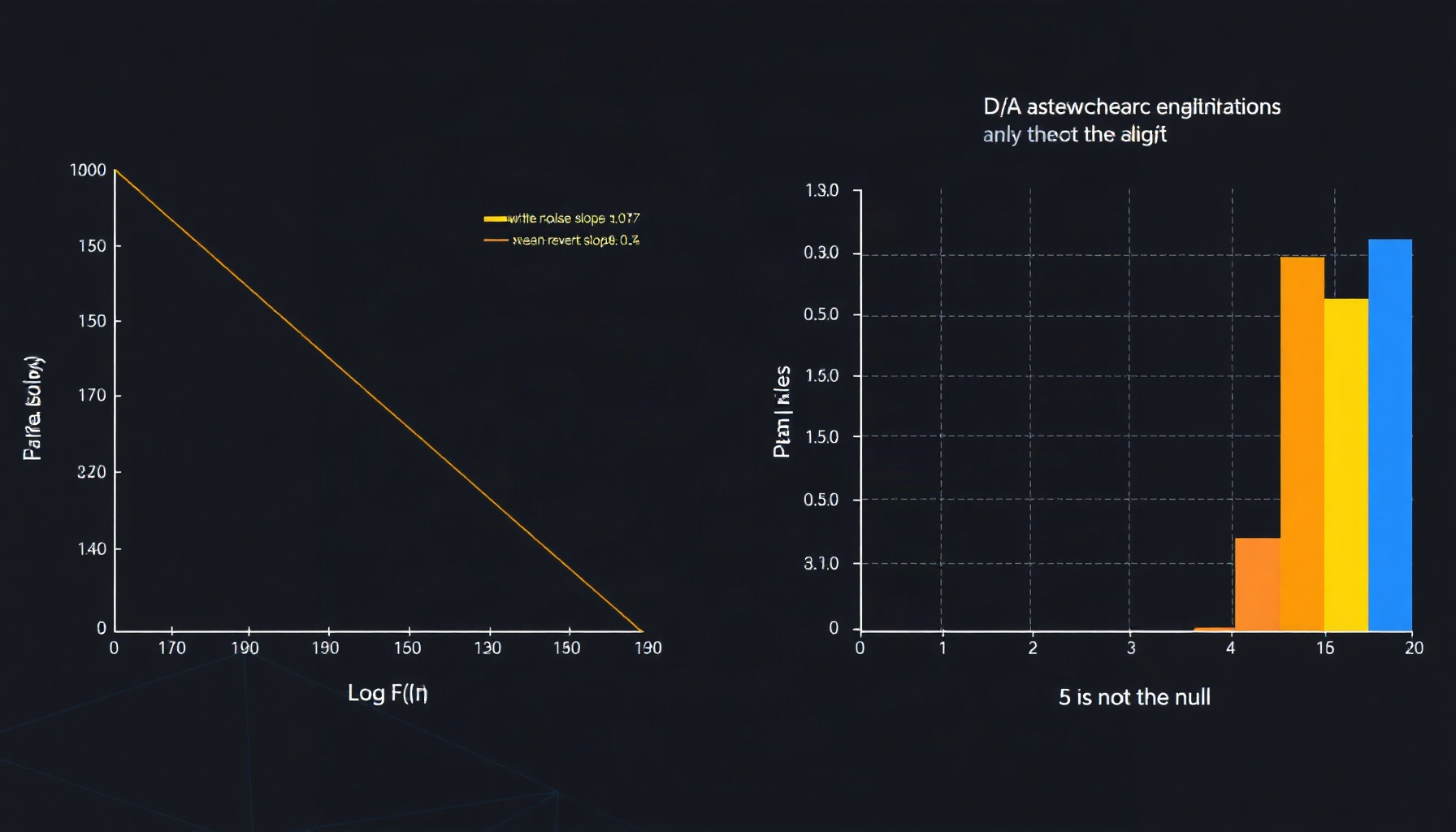
Hurst Exponent in Python: Trend Persistence vs Mean Reversion, with the Finite-Sample Traps
How to compute the Hurst exponent in Python with classic R/S and DFA-1, why 0.5 is not the finite-sample null, and how a shuffled-series null fixes it.

Information Coefficient (IC) and Signal Decay: Measuring Alpha Factor Predictiveness in Python
A practical guide to measuring whether an alpha factor predicts forward returns, how IC decays across horizons, and how to compute it in Python with SciPy.
Ornstein-Uhlenbeck Half-Life: Measuring Mean-Reversion Speed for Spreads in Python
Estimate an Ornstein-Uhlenbeck half-life in Python with an explicit OLS constant, a unit-root diagnostic, and a check that the slope indicates mean reversion.
Realized Volatility Estimators in Python: Close-to-Close vs Parkinson, Garman-Klass, Rogers-Satchell, Yang-Zhang
A quant trader's guide to five realized volatility estimators in Python, with formulas, pandas code, and a GBM simulation comparing their efficiency and bias.

Ledoit-Wolf Covariance Shrinkage for Portfolio Construction in Python (2026)
How Ledoit-Wolf shrinkage stabilizes a noisy covariance matrix, with scikit-learn and PyPortfolioOpt code and the shrinkage-target trap.
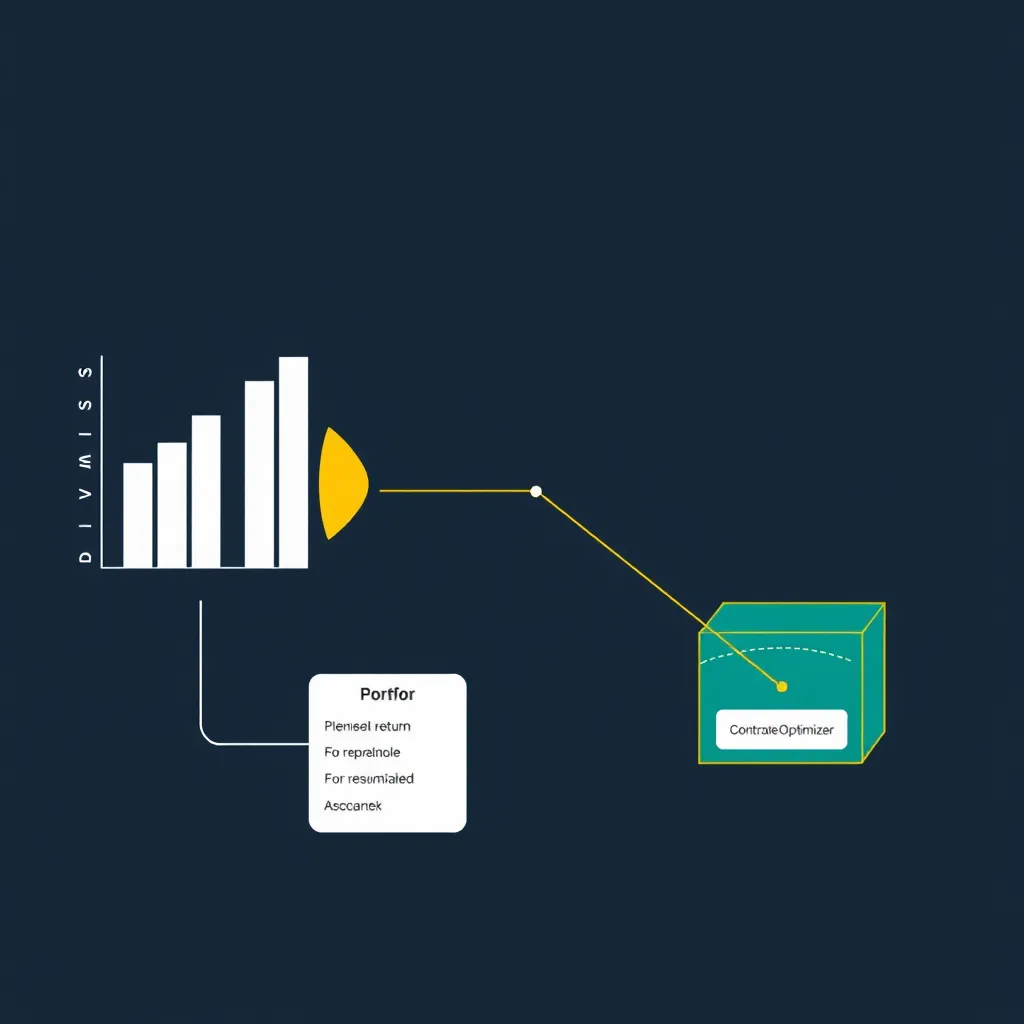
Black-Litterman in Python: Equilibrium Priors, Views and Posterior Returns with PyPortfolioOpt
Black-Litterman in Python: blend a market-implied prior with investor views, with the posterior formula and PyPortfolioOpt code for AI-silicon names.
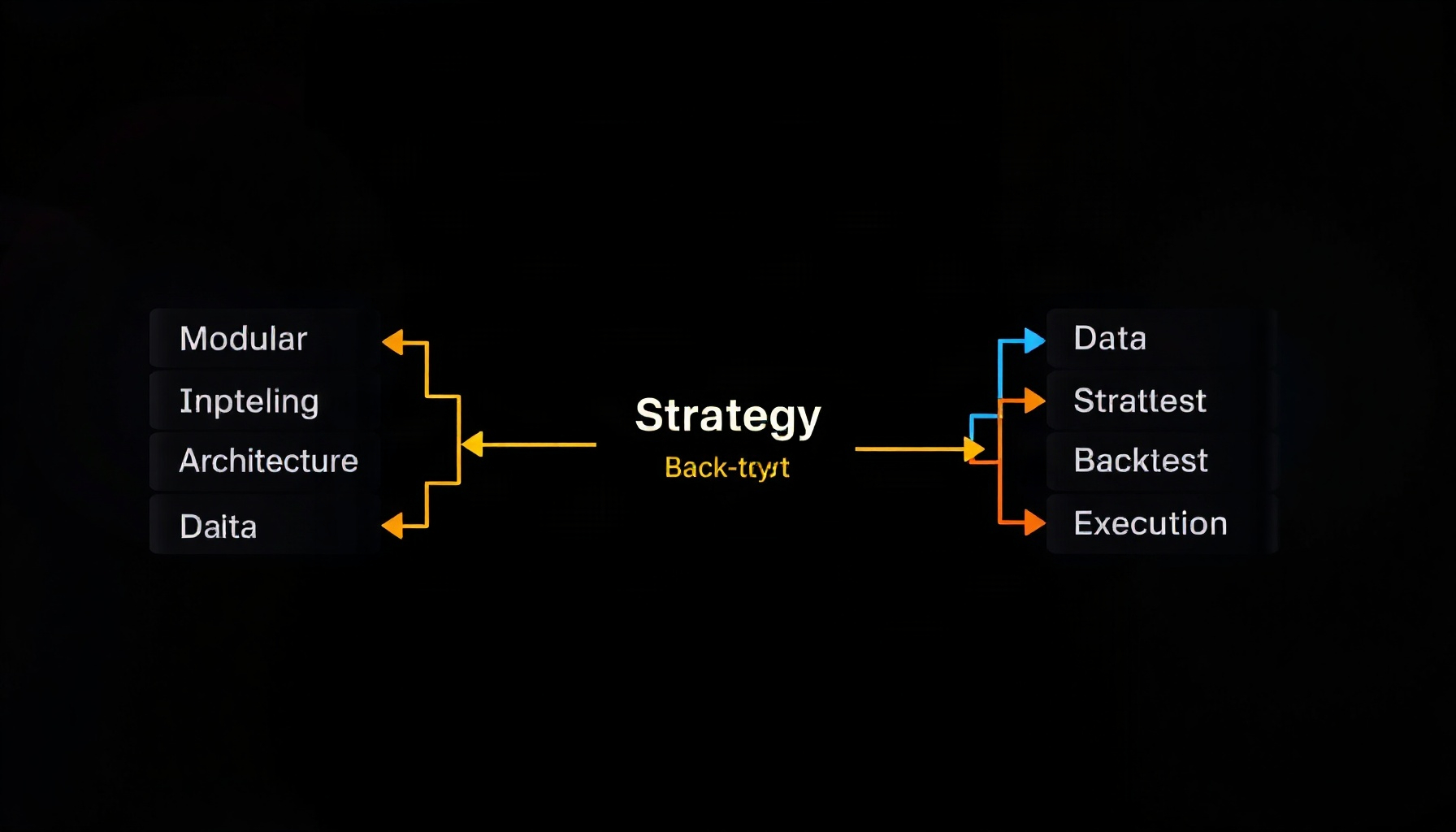
FinRL vs FinRL-X in 2026: Which RL Trading Framework to Use and How to Stress-Test Its Backtest
FinRL vs FinRL-X in 2026: what the original library does best, what FinRL-X adds, which self-reported numbers to distrust, and five backtest checks to run first.
Hierarchical Risk Parity in Python (2026): Run It with PyPortfolioOpt and skfolio, and Check It Before You Trust It
HRP in Python for 2026: PyPortfolioOpt HRPOpt vs skfolio HierarchicalRiskParity, their linkage defaults, runnable code, and checks before you trust the weights.
Fractional Differentiation in Python: Keep Memory, Get Stationarity
Fixed-width-window fractional differencing in numpy, with a min-d ADF sweep and measured memory-versus-stationarity tradeoffs on a reproducible seeded series.

Fama-French Factor Regression in Python: OLS Without the Unit and Vintage Traps
Run a Fama-French factor regression in Python with statsmodels: excess returns, percent-unit factors, the intercept, and why FIZ and CIZ data must not be mixed.
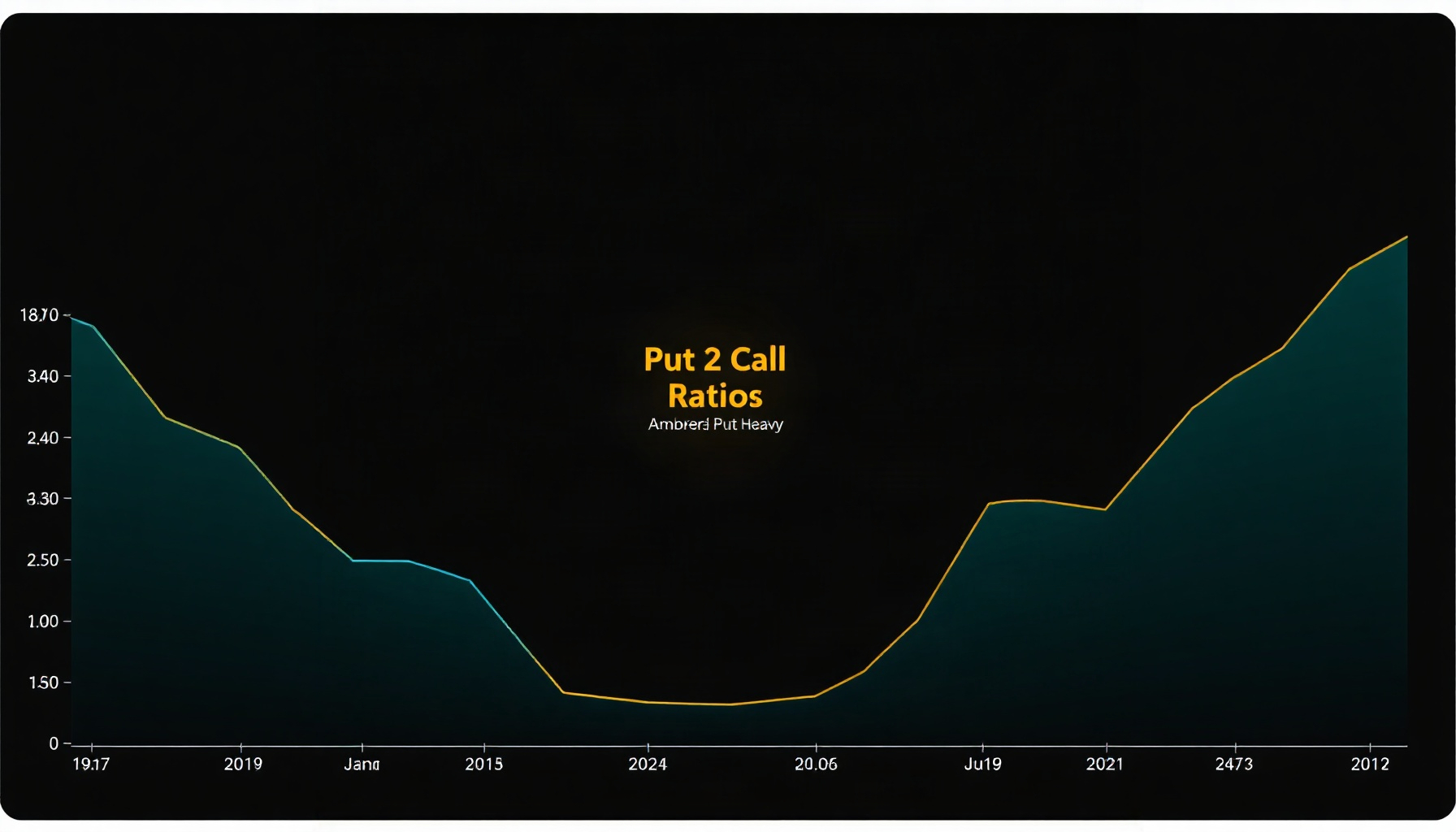
October 2026 Sentiment & Flow: The Put/Call Divergence Into Q3 Earnings
Equity options lean bullish while index options lean defensive heading into Q3 earnings. Here is how to read the put/call divergence and measure it yourself.
Optimizing an AI-Silicon Portfolio: Markowitz Mean-Variance with pypfopt, Done Right
Mean-variance optimization on NVDA, AMD, AVGO, TSM, ASML, MU, INTC, QCOM, TXN and ARM with pypfopt — Ledoit-Wolf shrinkage, weight bounds and L2 regularization, and when to reach for HRP, Black-Litterman or CVaR instead.
Quant & AI Markets News Roundup: Oct 4, 2026 — Agentic Retail Scales as Institutional Quant Adapts
Robinhood's embedded trading agents, the Fed's first hike since 2023, a new SEC crypto-custody proposal and a September hedge-fund split define this week in quant and AI.
PyBroker Review 2026: ML-Native Backtesting in Python
PyBroker 2.0 folds ML training, walk-forward evaluation and bootstrap metrics into one Python engine, but its Commons Clause licence limits commercial use.
Triple-Barrier Labeling and Meta-Labeling in Python: A 2026 Implementation Guide
A practical Python guide to path-aware trade labels, secondary prediction filters, overlap controls, and reproducible evaluation for quantitative research.

AI Markets Weekly: SEC Tokenized Stocks, AI Exposure, Agents
QuantBrainAI's AI-markets roundup separates audited facts from vendor claims across SEC tokenized-stock rules, an AI-exposure factor, and agent execution rails.

OpenBB Open Data Platform Review 2026: Open-Sourced, AGPL, and What It Means for Quants
Desk-research review of the OpenBB Open Data Platform after its open-sourcing announcement, covering surfaces, pricing, licensing, and adoption verdicts.
Purged K-Fold Cross-Validation Python: Stop Label Leakage
Learn how purged k-fold cross-validation in Python removes overlapping-label leakage and why a trailing embargo matters for financial machine learning.
NautilusTrader Review 2026: Best Open-Source Algo Engine?
An independent review of NautilusTrader, the open-source, Rust-native algorithmic trading engine, covering architecture, backtesting, adapters, and pricing.
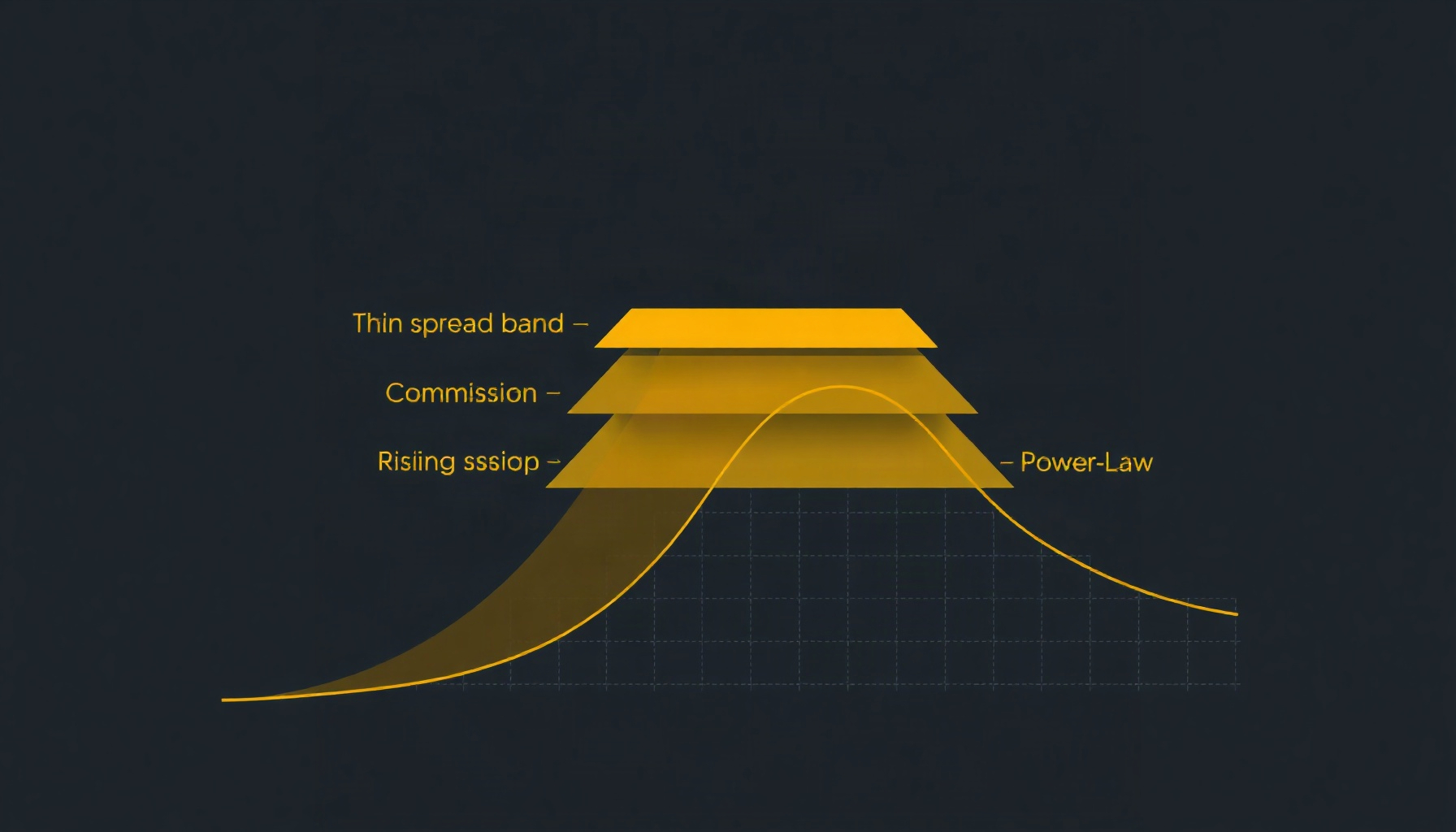
How to Model Transaction Costs in a Backtest (Python)
How to model transaction costs in a backtest — build spread, commission and power-law impact into your Python simulator so your net results reflect real fills.
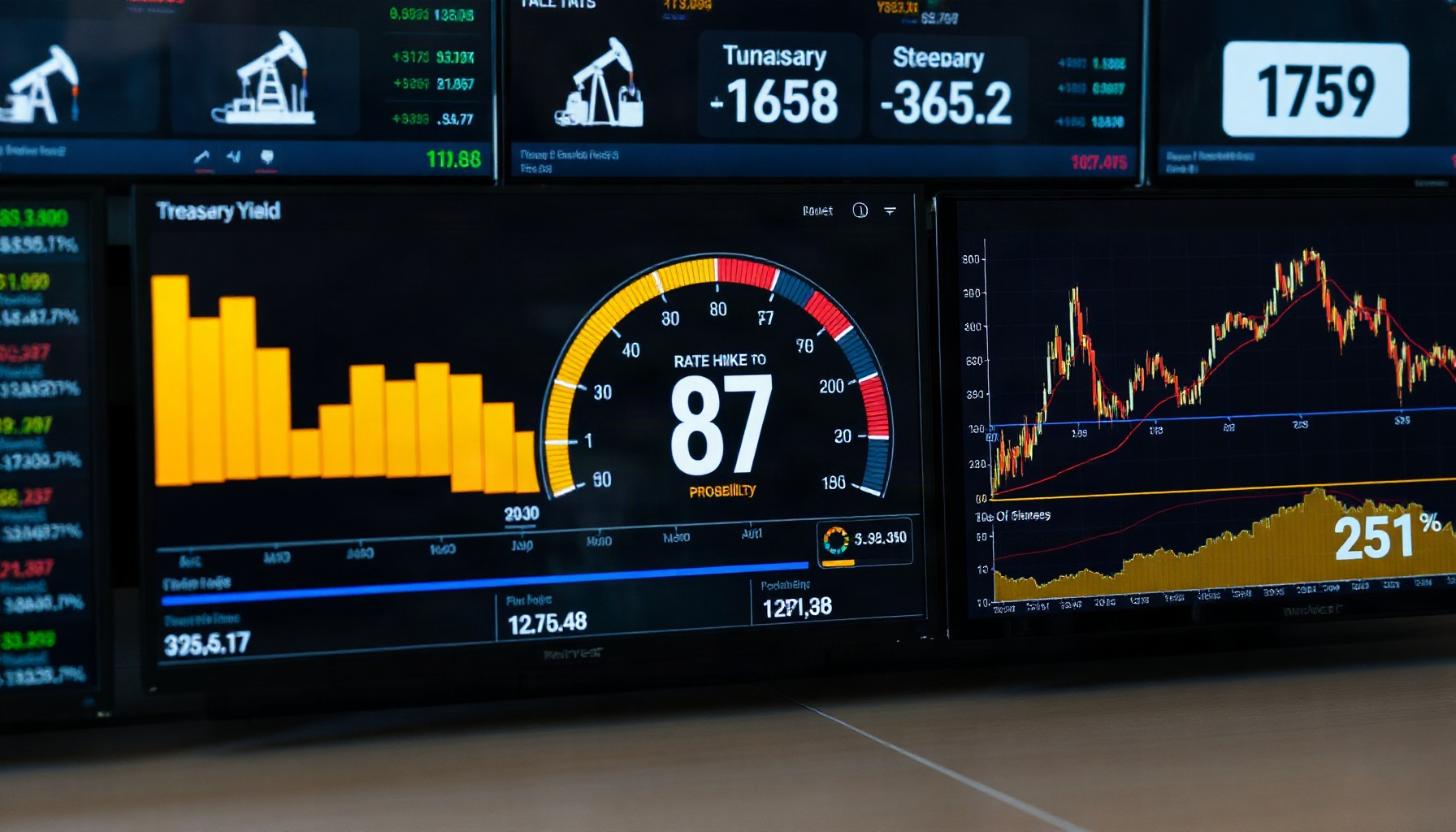
Fed Hike Odds Hit 87%: Recalibrate Your Quant Models
Fed rate hike odds surged after a hot CPI amid oil-driven inflation. Adjust your model's rate, energy and correlation inputs before the September FOMC meeting.
Fed September Call: Jobs Blowout, Oil Shock, Rate Odds
Federal Reserve September rate decision — recalibrate your quant models for the jobs-driven hike odds and oil shock with this verified roundup and checklist.
AI Semiconductor Earnings: Nvidia Blowout Meets Hawkish Fed
AI semiconductor earnings — recalibrate your quant models for a hawkish-Fed, high-capex regime with our verified weekly roundup and actionable checklist.
Vistra Stock Analysis: AI Power Demand and Valuation Outlook
Our Vistra stock analysis covers the AI data-center catalysts behind the latest earnings, valuation, and technicals — and whether VST belongs on the watchlist.

AMAT Stock Analysis: Record Q3 and the AI Capex Inflection
AMAT stock analysis — explore Applied Materials' record quarterly results, AI-capex exposure, China risk, and valuation versus peers to inform your next move.

Databento Review 2026: Best Market Data API for Quants?
Read our Databento review to see if this market data API fits your quantitative trading workflow and how its coverage and pricing compare to alternatives.
Treasury Buybacks Reset Risk Map Ahead of NVDA, Jackson Hole
Treasury buyback program 2026 — how doubled long-end buybacks, rate-path repricing, and the NVDA earnings setup reshape factor models ahead of Jackson Hole.
US CPI inflation trend analysis: why 3.4% is sticky
US CPI inflation trend analysis for quant traders: headline disinflation masks a sticky core, with war-driven energy swings distorting year-over-year picture.
Communication Services Sector Analysis 2026: Two Tracks
Communication services sector analysis 2026 — decode the ad-platform vs telecom divergence and screen XLC components to find where the money is rotating next.
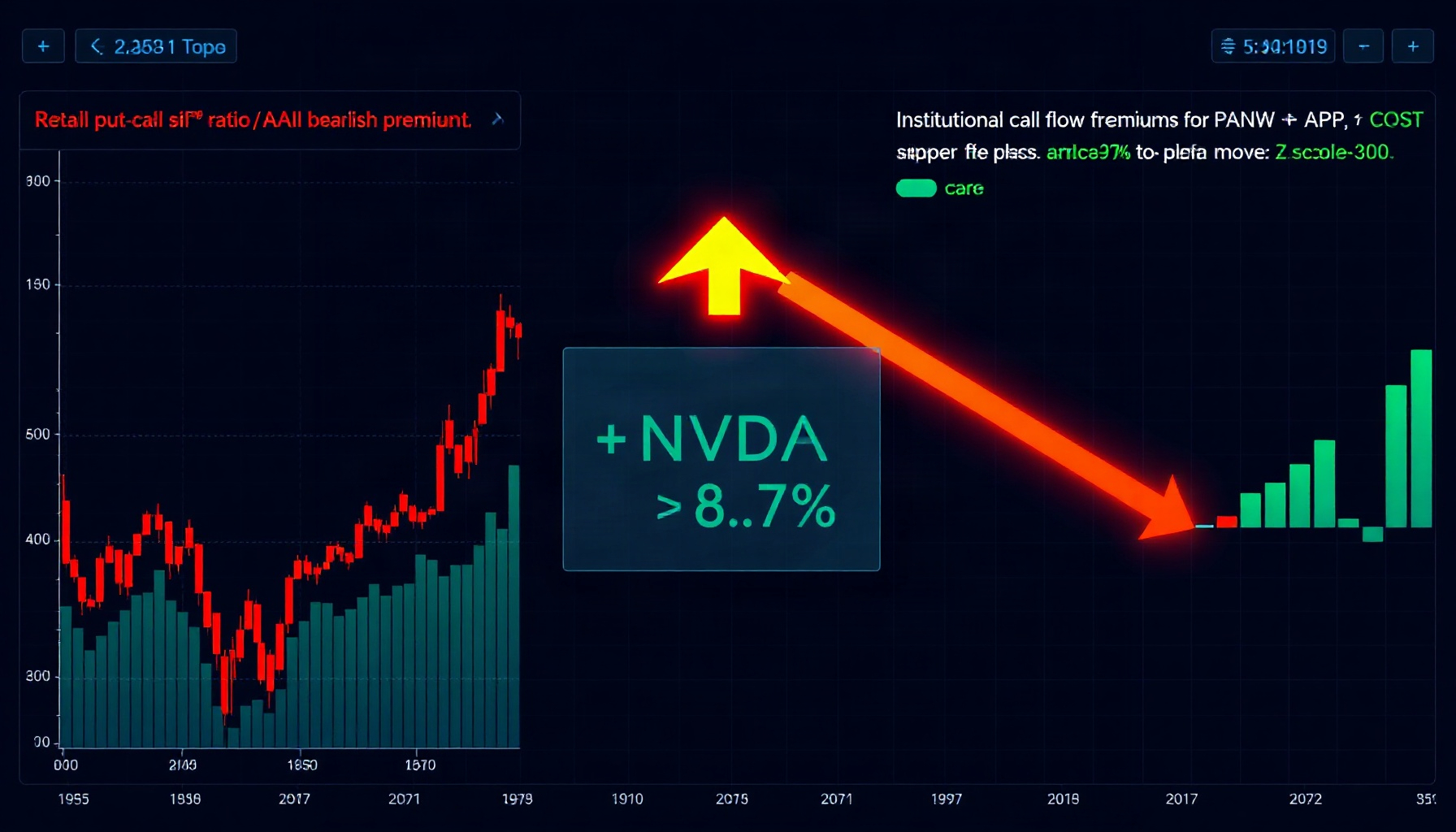
Options Flow Analysis: Institutional Sentiment Ahead of NVDA
Options flow analysis exposes a retail-versus-institutional split ahead of Nvidia earnings. We quantify the divergence with market data and a pandas workflow.

Cisco Stock Analysis: AI Networking Supercycle vs Margins
A comprehensive Cisco stock analysis examining AI networking demand against gross margin pressure — see where CSCO fits in your quant portfolio research today.
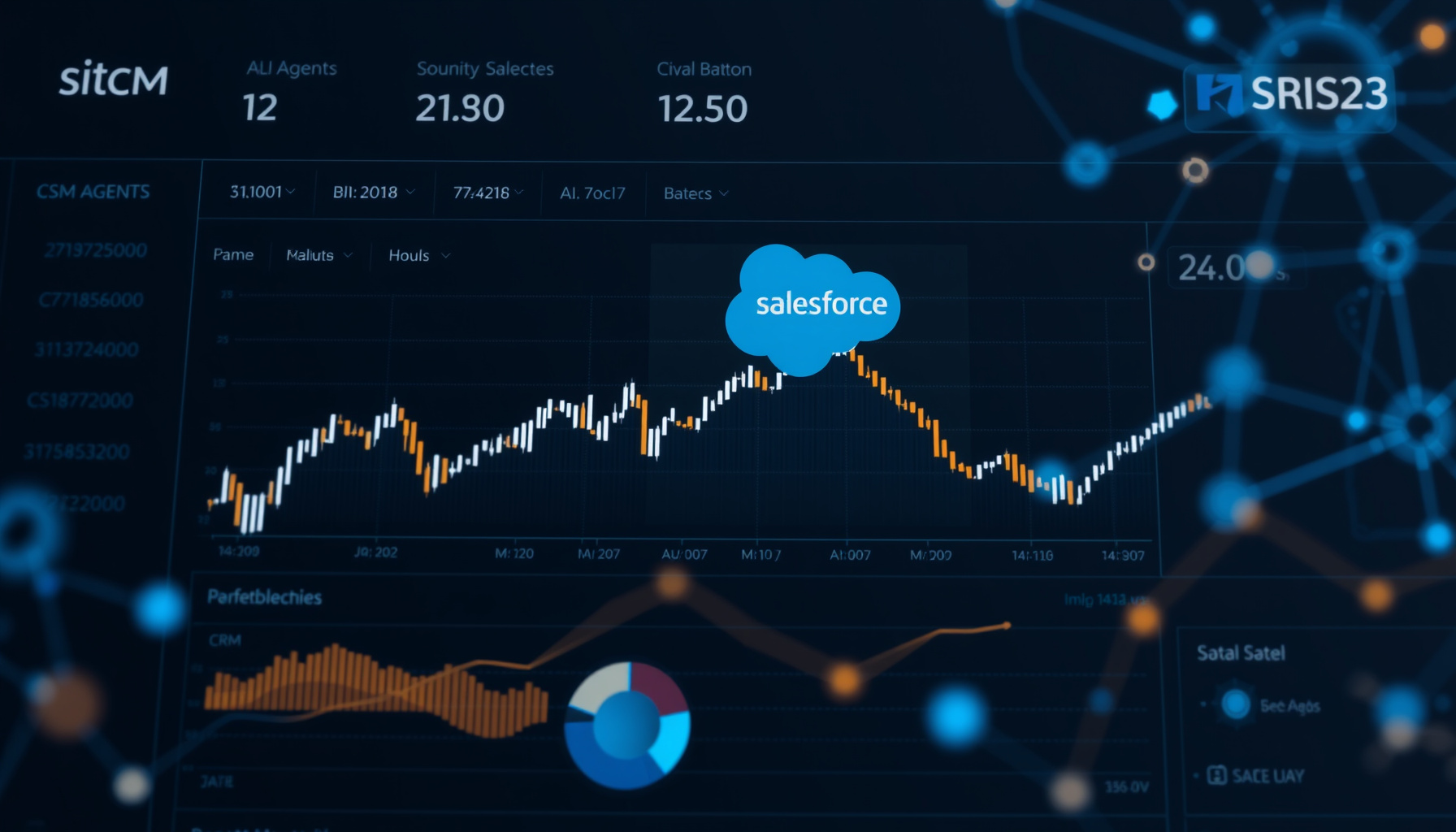
CRM Stock Analysis: Agentforce AWU vs. cRPO Inflection
CRM stock analysis — a pre-earnings deep dive into Salesforce's Agentforce billing model versus cRPO growth, so you can frame the risk before the report.
Qlib Review 2026: Microsoft's AI Quant Platform
Microsoft Qlib is the best open source AI quant platform for beginners with Python skills — learn how to get started, install it, and run your first backtest.

How to detect backtest overfitting in Python
Learn how to detect backtest overfitting in Python using the deflated Sharpe ratio and the probability of backtest overfitting, from the academic papers.
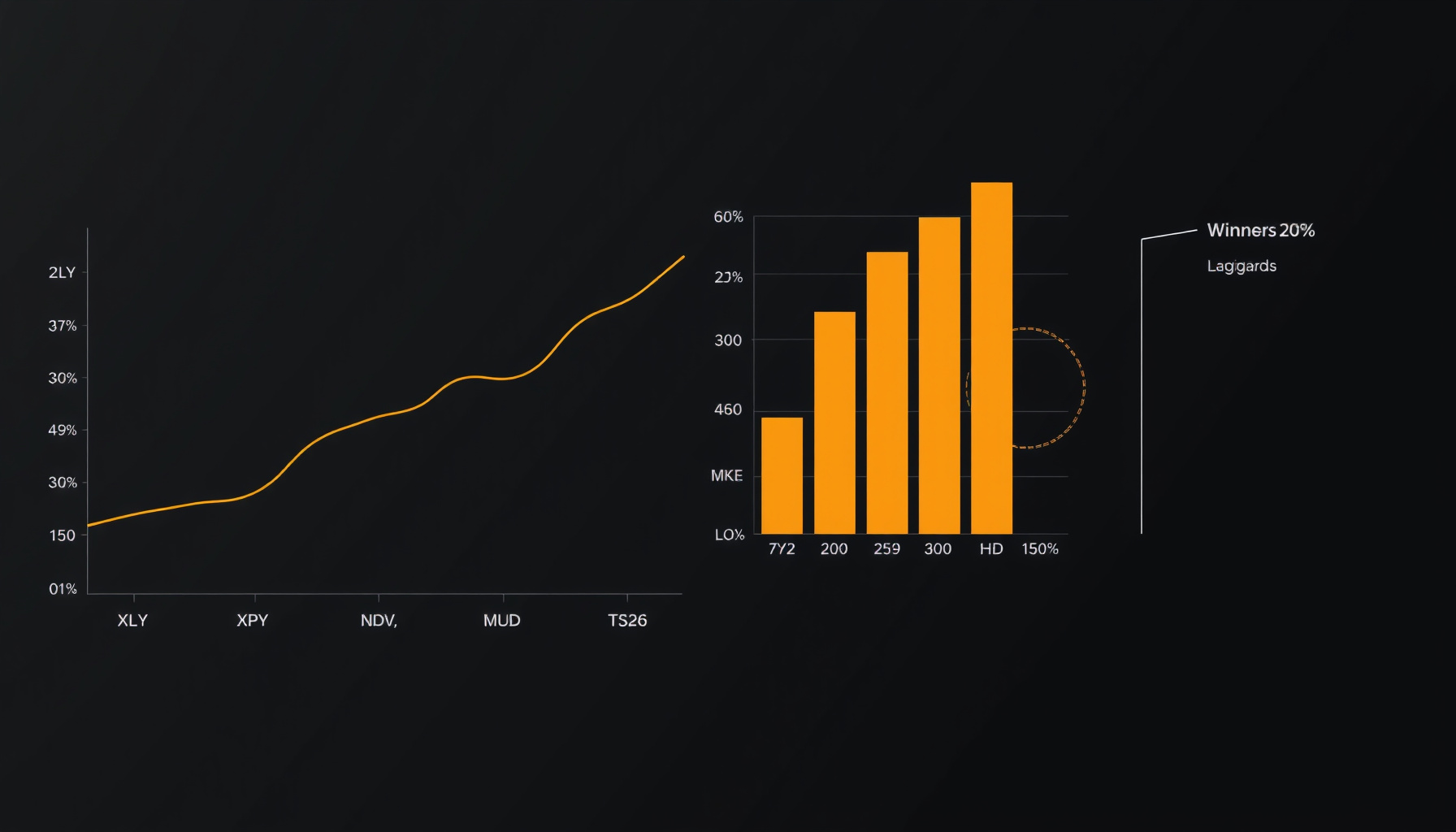
Consumer Discretionary Sector Analysis 2026: XLY vs S&P 500
Consumer discretionary sector analysis 2026: records on the tape, softness in spending. See the data, the diverging winners, and how to screen for them.

Grid Infrastructure Investment Stocks: 2026 Industrials Outlook
Grid infrastructure investment stocks are drawing attention as AI power demand reshapes how capital flows into transformers, switchgear, and grid equipment.

Quant News: CPI Cools, Records, AI Capex Wave
Quantitative trading news roundup — explore how cooling inflation and AI earnings are reshaping factor models, rate paths, and volatility assumptions.
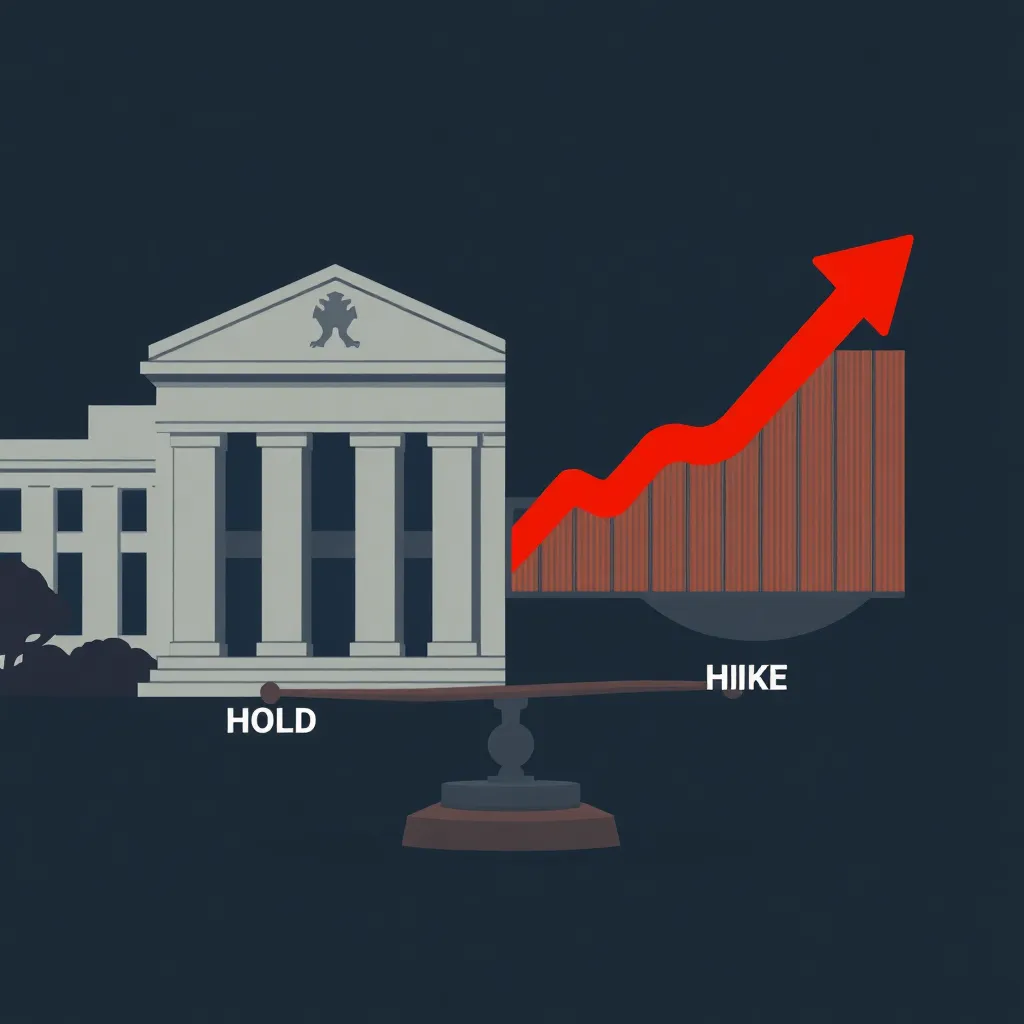
September FOMC: Will the Fed Cut Rates or Hike in 2026?
Markets see the September FOMC as a hike-or-hold decision, not a cut. Here is what July jobs, inflation, and Fed signals mean for the Fed rate path ahead.
Healthcare Sector Analysis 2026: GLP-1 & AI Drugs
Healthcare sector analysis 2026 — decode the rotation opportunity between GLP-1 growth and AI drug discovery catalysts, then screen the leaders for the theme.
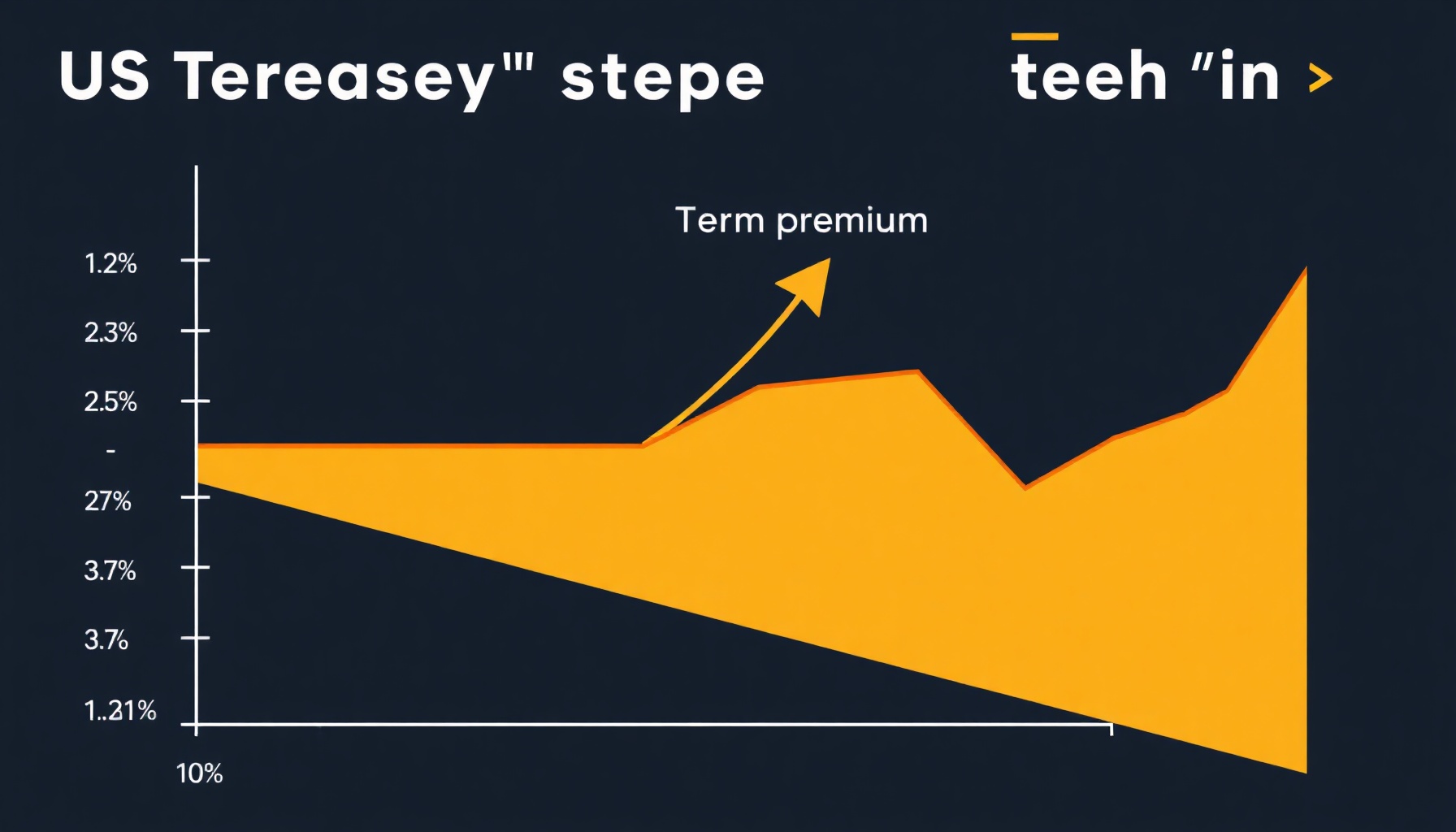
Treasury Term Premium Analysis: Why Long Yields Stay High
Treasury term premium analysis — understand why long yields stay high and how to position quant duration strategies with official Fed data before September.
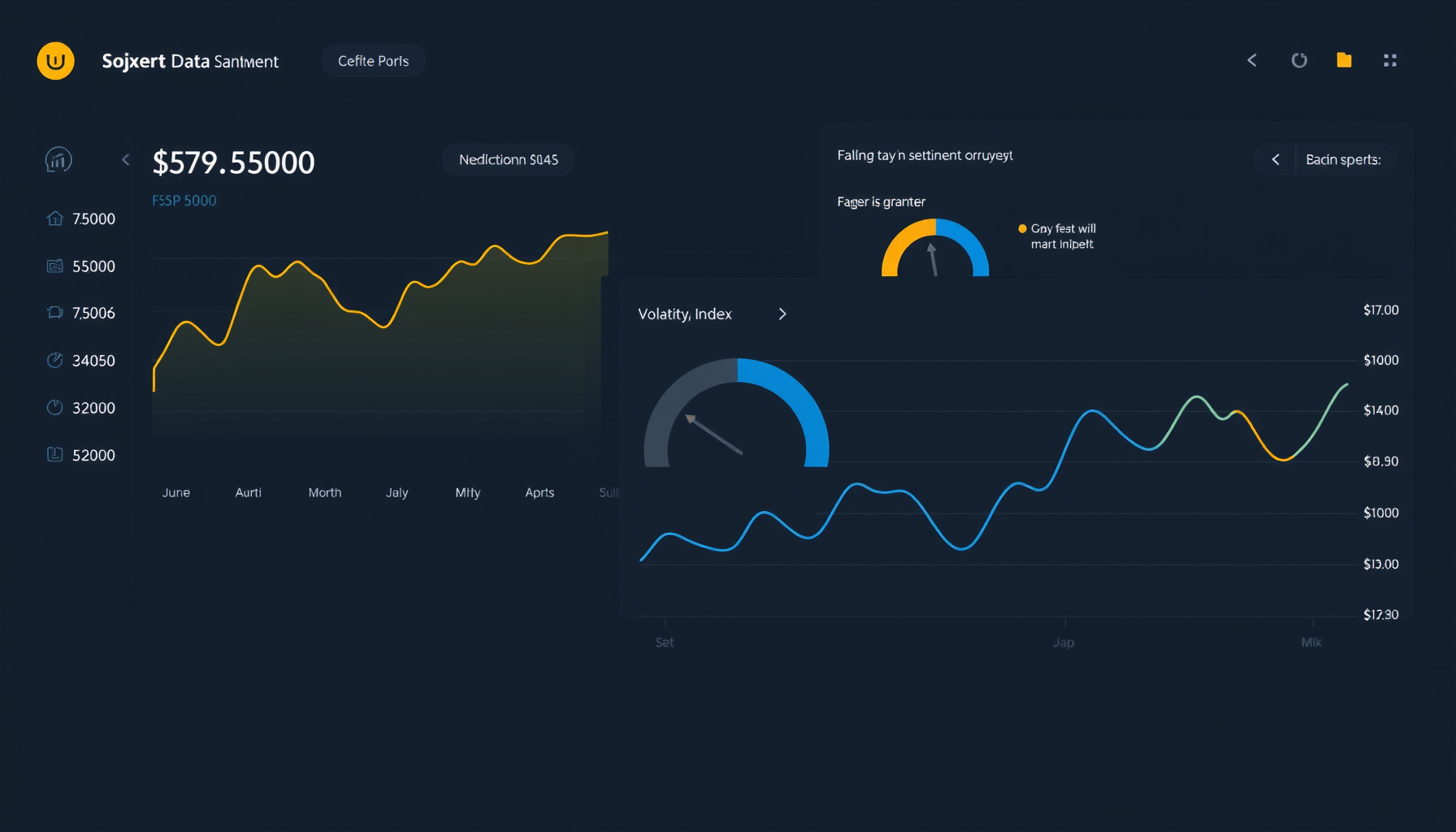
Market Sentiment Analysis: The Three-Way Split Ahead of NVDA
Market sentiment analysis — read the August 2026 split between record prices, skeptical retail surveys, and cautious institutional flow before NVDA earnings.
Alpaca Review 2026: API Brokerage for Python Quants
An in-depth review of Alpaca's trading and market data APIs for algorithmic traders — the pricing tiers, free paper trading, SDK quality, and who it suits best.
NFLX Stock Technical Analysis August 2026: Deep Dive
Netflix shares have fallen hard. Is this an entry point? We examine fundamentals, technicals, ad-tier economics, risks, catalysts, and analyst targets.

Monte Carlo Simulation for Trading Strategy Validation
A backtest is one possible path. Monte Carlo simulation replays your trades in randomized order to reveal the drawdowns and ruin risk an equity curve hides.
Copper Mining Stocks Analysis: Reserve Life & EV/EBITDA
Copper mining stocks analysis: reserve life and EV/EBITDA reveal which producers win as AI data center demand tightens supply through 2030. See the rankings.
Quant Trading News: Record Week, China Curbs, AI Surge
Quantitative trading news roundup — discover what the record market week, China's order-rate limits, and AI earnings mean for your models and strategies.
Labor Market Shock: Quant Signals From the July Jobs Report
Labor market weakness and yield curve signals matter for your quant strategy — learn to read payrolls and Treasury spreads so you can position with confidence.
Market Positioning Analysis: Sentiment, Flows, and Hidden Risk
Market positioning and sentiment indicators show complacency at record highs. Map tail risk and flow dynamics to position your quant strategies correctly.
Meta Stock Analysis: AI Capex vs Cash Flow 2026
Meta Platforms stock analysis 2026 evaluates whether aggressive AI infrastructure spending can offset deteriorating free cash flow, helping you assess the stock for your portfolio.
TSLA Stock Analysis: Robotaxi Boom, Margins Bust
Read our TSLA stock deep analysis: record deliveries versus shrinking margins, cash burn, and the full robotaxi thesis in one concise, data-driven brief.

VectorBT Review 2026: Best Python Backtester?
VectorBT is a fast Python backtesting library for algorithmic trading, pairing vectorized NumPy arrays with Numba and Rust so you can sweep thousands of strategies in seconds.
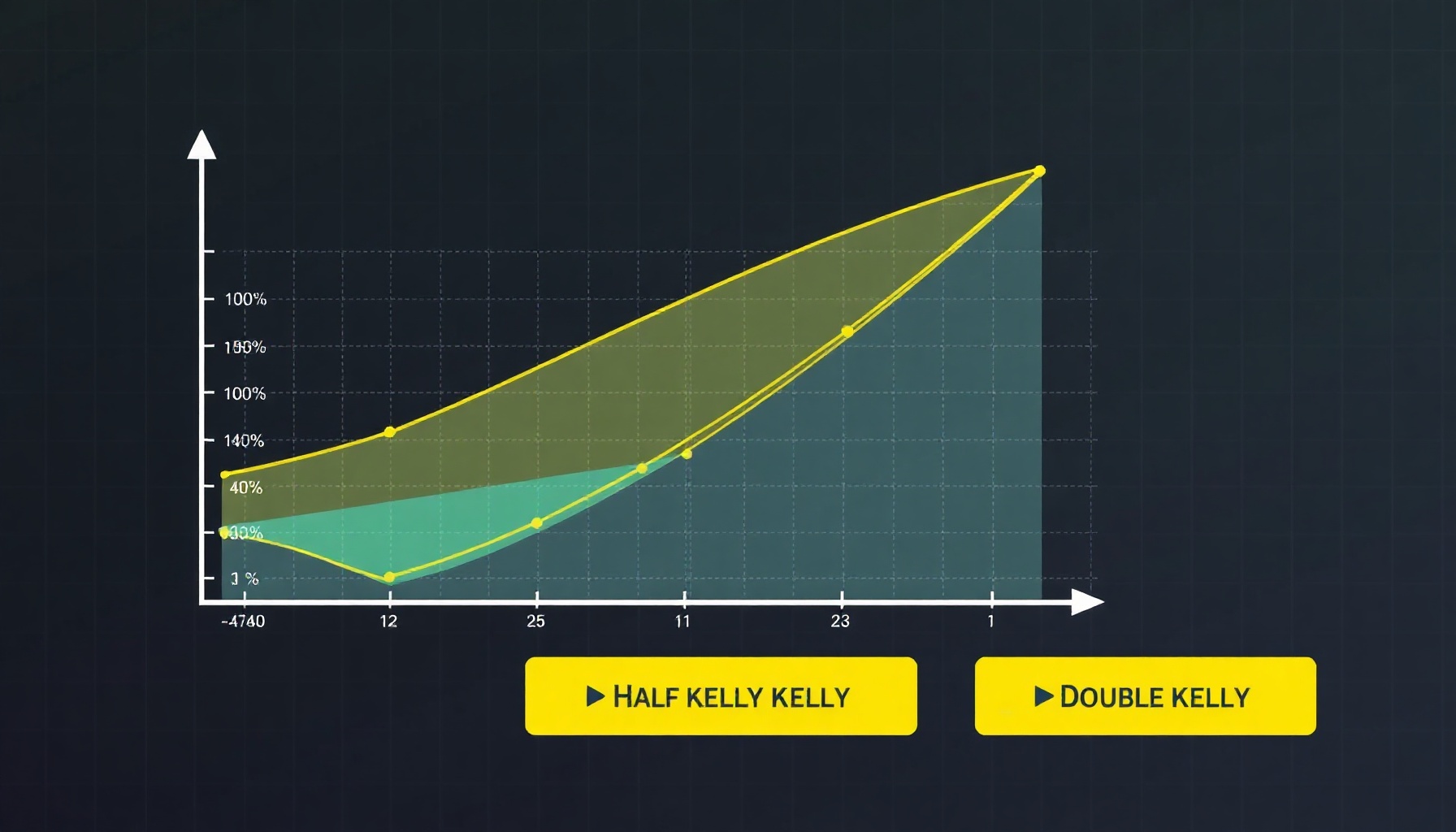
Kelly Criterion Position Sizing: A Practical Python Workflow
Kelly criterion position sizing in Python lets you compute the optimal capital fraction per trade from expected returns and volatility, so you can build disciplined, growth-oriented allocation rules.

AI Data Center Power Analysis: Utility Stock Supercycle
AI data center power demand utility stocks 2026 — learn to find earnings tailwinds via PPA backlogs and valuation screens to start trading the theme today.

Fed Holds, Big Tech Splits: Weekly Market Pulse
The Federal Reserve held rates in a split vote while mega-cap earnings diverged sharply. Learn what the data means for your systematic trading strategies.
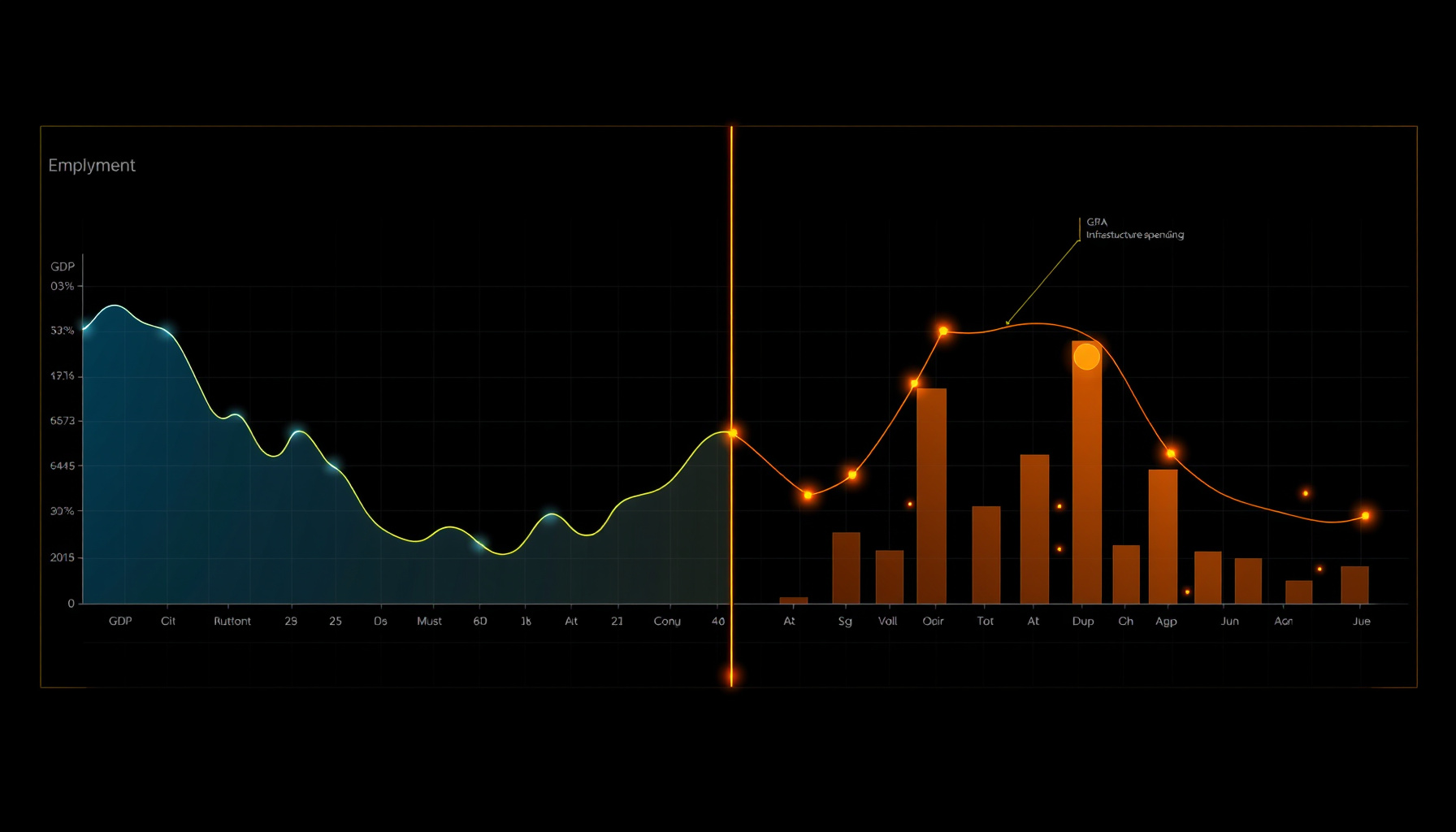
AI Capex vs GDP: Analyzing the Macro Divergence
AI capex and GDP are diverging in 2026, splitting the market into two regimes. Learn how to position your quant strategy for this structural divergence so you can trade with confidence.

Dealer Gamma, Sentiment Collapse, and the 7,500 Pin: Reading Late-July 2026 Market Structure
SPX is pinned at 7,500 by positive dealer gamma while retail sentiment collapses and institutions stay net long. The 7,477 gamma flip is the tripwire. A quant framework for monitoring the regime change.

Building an Unusual Options Activity Detection System with Python
A code-first methodology for detecting unusual options activity (UOA) as a trading signal — volume/OI ratios, put/call thresholds, ML ensemble features, and the pitfalls that kill most UOA strategies.

Palantir (PLTR) Deep Dive: AI Compounder at 137x P/E — Buy the Dip or Value Trap?
A quant-driven analysis of Palantir Technologies entering Q2 earnings — fundamentals, technicals, positioning, and the binary Aug 3 catalyst.
QuantConnect Review 2026: The Open-Source Algo Trading Powerhouse, Warts and All
Deep-dive review of QuantConnect — the LEAN engine, pricing, data depth, backtesting speed, broker integrations, and where it falls short (especially for EU traders).

Sector Spotlight: AI Semiconductors — The July 2026 Correction & Quant Trading Playbook
The AI semiconductor sector surged 80%+ in H1 2026 before entering bear territory in July. We dissect the earnings, volatility regime, drawdown mechanics, and quant trading angles (mean-reversion, momentum, sector rotation signals) for data-driven traders.

The $1.5 Trillion Defense Bull: Why Defense Stocks Are the Best Quant Setup of 2026
U.S. defense spending crossed $1T for the first time in FY2026, and the Trump-admin FY2027 proposal pushes to $1.5T. Here's the data-driven case for a sector-wide re-rating and how quants should play it.

Weekly Market Pulse: Tech Earnings Shock, Fed Looms — July 20–26, 2026
Tesla misses on EPS despite record revenue, Alphabet's AI capex spooks investors, and the Fed's next move hangs in the balance. Your data-driven weekly quant market roundup.
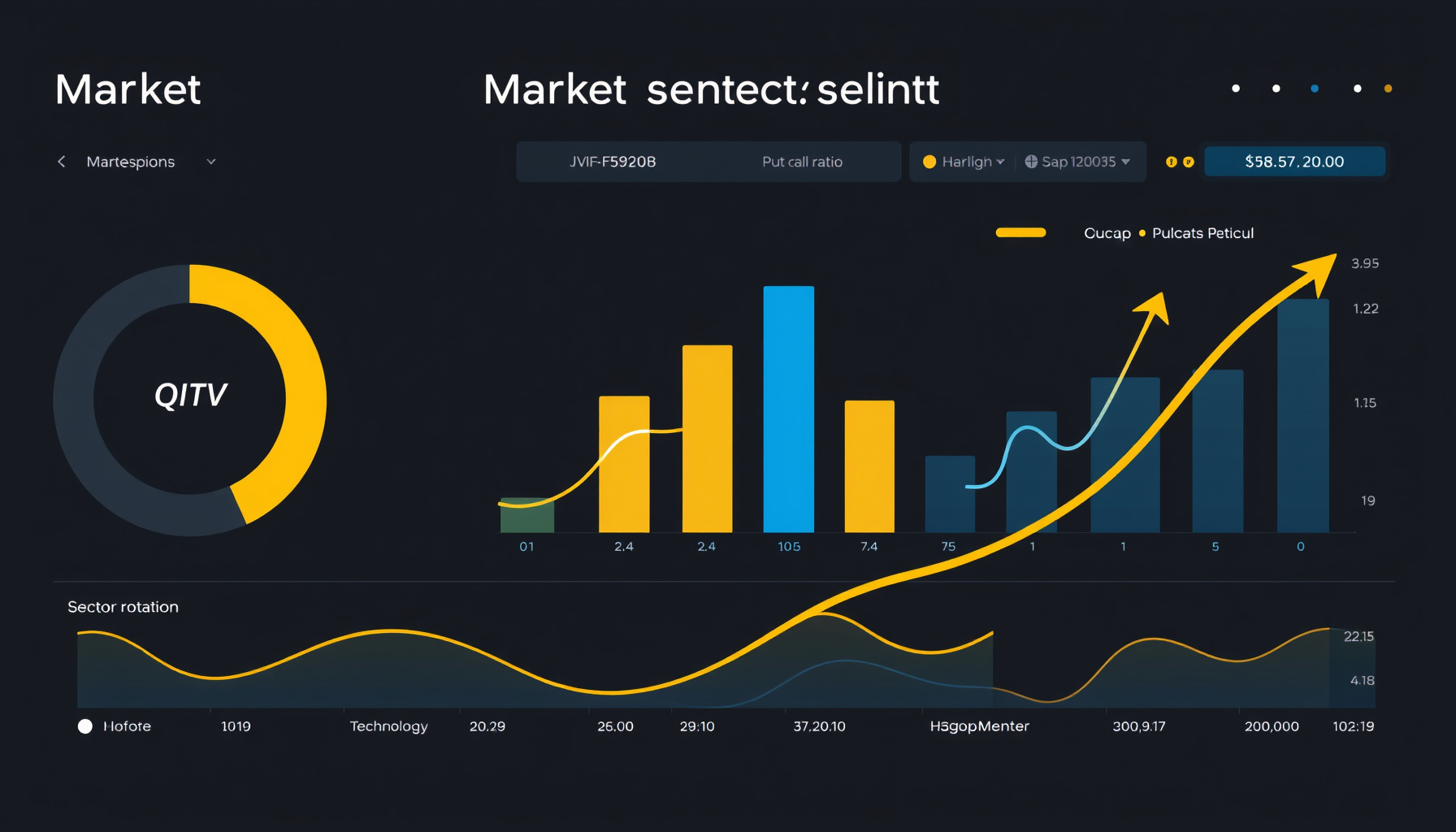
Market Sentiment & Capital Flows: Reading the Late-July 2026 Divergence
VIX compression meets elevated put/call ratios and retail neutral sentiment at 1-year highs. A quantitative read on institutional vs retail flows, sector rotation, options positioning, and insider signals through late July 2026.

Intel Deep Analysis: Q2 2026 Earnings Ignite the AI Comeback
QuantBrainAI decision report on Intel (INTC) — post-earnings multi-agent strategy signals, game theory equilibrium, and the 18A foundry turnaround thesis.
AI-Powered Stock Analysis Tools in 2026: TrendSpider, ChartingLens, and Koyfin Compared
A data-driven comparison of TrendSpider, ChartingLens, and Koyfin for quantitative stock analysis in 2026. Features, pricing, data quality, and real-world quant workflows.
ChartingLens Deep Dive: AI Scoring, Insider Signals, and Quant Integration in 2026
Can ChartingLens replace your existing stock analysis stack? A quantitative evaluation of its AI scoring engine, insider tracking, screener, and API capabilities against Koyfin, Finviz, and TradingView.

Local Time Series Forecasting for Stocks: Running Google's TimesFM on Your Own Hardware
A practical tutorial on deploying Google's TimesFM 2.5 time-series foundation model locally for zero-shot stock price forecasting — from environment setup to multi-asset portfolio inference.
Sector Spotlight: Financials — Record Earnings, Rate-Sensitive Rotation, and AI-Driven Finance
Deep dive into the financial sector after Q2 2026's record earnings season. Goldman Sachs' best quarter in 157 years, JPMorgan +41% profit YoY, the rotation from tech to financials, and how AI is reshaping quant finance, payments, and asset management.

Weekly Market Pulse: July 13–17 — CPI Cools, Banks Break Records, Tech Selloff Deepens
June CPI posts largest monthly drop since April 2020, Goldman Sachs reports best quarter in 157-year history, IBM crashes 25% on earnings warning, TSMC raises CapEx to $60B, and the semiconductor selloff pushes SOX 20% below its record.
Macro Crosscurrents: Inflation Persistence, Central Bank Divergence, and the AI Investment Cycle
Global markets face resilient growth, persistent inflation risks, and uncertain monetary policy paths. A quantitative framework for navigating central bank divergence and the AI investment cycle in H2 2026.
TrendSpider Review 2026: AI Charting, Strategy Lab, and Automated Backtesting for Quants
TrendSpider combines automated pattern recognition, AI Strategy Lab (ML model training), Sidekick AI assistant, and no-code backtesting into one platform. Tested pricing, feature depth, data quality, and real workflow fit for quantitative analysts.

Hidden Markov Models for Market Regime Detection: A Complete Python Workflow
Markets switch between bull, bear, and range-bound regimes — but most strategies assume a single regime. Hidden Markov Models (HMMs) let you detect these states probabilistically and adapt your trading in real time. Here's how to build a regime-aware pipeline in Python with your existing quant data feed.

Sector Spotlight: Energy — $600B Crash to Comeback in the Hormuz Crisis
Deep dive into the US energy sector after Q2's 13% drawdown and July's Iran-driven reversal. Price data, capital discipline, $41B buyback bonanza, and how AI-driven trading strategies can capture oil volatility in the Hormuz crisis.

Weekly Market Pulse: July 6–10
SK Hynix scores the largest foreign IPO in US history, Iran tensions spike oil as ceasefire collapses, Dow closes above 53K for the first time, Fed minutes reveal rate split, and S&P 500 rallies to within 0.6% of all-time highs.
Fiscal.ai (formerly FinChat) Review: AI-Powered Equity Research Terminal
Fiscal.ai combines S&P Global Market Intelligence data with conversational AI for institutional-grade equity research. We tested the free tier, Pro, and Max — pricing, data quality, and workflow fit for quantitative analysts.

Pairs Trading with Cointegration: A Complete Statistical Arbitrage Workflow in Python
Pairs trading is the most accessible form of statistical arbitrage — no direction calls, no market timing, just relative value. Here's how to find cointegrated pairs, build a mean-reversion signal, and backtest it end-to-end in Python.

Sector Spotlight: Cloud Hyperscalers — The $800B AI Infrastructure Boom
Deep dive into the cloud computing sector after June 2026's historic rotation from semiconductors to hyperscalers. Price data, market shares, $725B combined capex, Meta's cloud entrance, and AI-driven trading opportunities.

Weekly Market Pulse: June 29 – July 3
June jobs shocker: only 57K added vs 114K expected — rate hike fears ease. Massive rotation from semis to cloud/hyperscalers: AAPL +8.8%, GOOG +6.4%. MU -13.8%, SMCI -11.1%, MRVL -8.1%. SK Hynix files for $29B US listing. Global stocks have best week since May.

Macro Economy & Trends: July 4, 2026 — Jobs Miss, Housing Cools, Rotation Deepens
June payrolls miss badly at +57K vs 110K expected, housing list prices fall a record 2.5%, continued claims hit 1.82M, and the AI semiconductor rotation accelerates as breadth broadens.
Apple Inc.
AAPL (AAPL Stock) | Deep analysis, price prediction, AI score, technical analysis, smart money flow, and game theory equilibrium.
Kavout Review: AI Research Agents and the K Score for Quant Analysis
Kavout combines specialized AI research agents, a proprietary ML-driven K Score, and InvestGPT into one platform. Here's how it fits in a quant workflow — verified pricing, features, and alternatives.

Walk-Forward Analysis: Robust Strategy Validation Without Look-Ahead Bias
Walk-forward analysis is the gold standard for validating trading strategies — eliminating look-ahead bias by simulating real-world rolling retraining. Here's how to implement it in Python with your existing quant pipeline.

Sector Spotlight: AI Semiconductors — $1.3T Market on the Rebound
A deep dive into the AI semiconductor supercycle after June 2026's historic selloff. Price data, key companies, macro drivers, earnings, technicals, and the IDC/Gartner $1T+ revenue thesis.
Weekly Market Pulse: June 22–26
Micron shatters estimates with $41.5B record revenue, Qualcomm unveils Dragonfly data center CPU with Meta as launch customer, PCE inflation hits 4.1%, ON Semi crashes 23% on $7B Synaptics deal, and TSMC hikes foundry prices 5-10%.
Macro Economic Outlook June 2026: Sticky Inflation, Hawkish Fed, and the AI CapEx Paradox
May CPI at 4.25% forces a hawkish Fed hold, tech layoffs hit 155K YTD while AI capex surges to $765B, and the housing market stalls at 6.49% mortgage rates — what the macro picture means for AI infrastructure names.

Advanced Micro Devices, Inc.
AMD (AMD Stock) | Deep analysis, price prediction, AI score, technical analysis, smart money flow, and game theory equilibrium.
Sentiment & Market Flow: SpaceX IPO Sucks Retail Out of AI, Micron Ignites Recovery
Retail investors sold AI favorites to chase SpaceX's landmark IPO, hedge funds trimmed Mag7 positions, and Micron's blowout earnings reignited the semiconductor rally — a comprehensive look at sentiment, options flow, and short interest across AI infrastructure names.

Amazon.com, Inc.
AMZN (AMZN Stock) | Deep analysis, price prediction, AI score, technical analysis, smart money flow, and game theory equilibrium.

Arm Holdings plc
ARM (ARM Stock) | Deep analysis, price prediction, AI score, technical analysis, smart money flow, and game theory equilibrium.

ASML Holding N.V.
ASML (ASML Stock) | Deep analysis, price prediction, AI score, technical analysis, smart money flow, and game theory equilibrium.
Weekly Market Pulse: June 15–19
Intel surges 11% on Apple foundry deal, Nvidia launches $25B bond offering, FOMC holds rates steady under new Chair Warsh, Qualcomm circles Tenstorrent for $8-10B, and semiconductor equipment makers hit all-time highs.

Alphabet Inc.
GOOG (GOOG Stock) | Deep analysis, price prediction, AI score, technical analysis, smart money flow, and game theory equilibrium.
Intel Corporation
INTC (INTC Stock) | Deep analysis, price prediction, AI score, technical analysis, smart money flow, and game theory equilibrium.

KLA Corporation
KLAC (KLAC Stock) | Deep analysis, price prediction, AI score, technical analysis, smart money flow, and game theory equilibrium.
Lam Research Corporation
LRCX (LRCX Stock) | Deep analysis, price prediction, AI score, technical analysis, smart money flow, and game theory equilibrium.

Meta Platforms, Inc.
META (META Stock) | Deep analysis, price prediction, AI score, technical analysis, smart money flow, and game theory equilibrium.

Weekly Market Pulse: June 8–12
Semiconductor stocks rebound from the trillion-dollar selloff on SK Hynix's massive capacity expansion plan. Oracle reports record Q4 but shares slide on $55.7B capex. Apple WWDC 2026 unveils Siri AI. SMCI announces $7B equity raise to fund $39B in AI server orders. Cantor Fitzgerald lifts equipment stock targets.

Microsoft Corporation
MSFT (MSFT Stock) | Deep analysis, price prediction, AI score, technical analysis, smart money flow, and game theory equilibrium.

Micron Technology, Inc.
MU (MU Stock) | Deep analysis, price prediction, AI score, technical analysis, smart money flow, and game theory equilibrium.

Broadcom Inc.
AVGO (AVGO Stock) | Deep analysis, price prediction, AI score, technical analysis, smart money flow, and game theory equilibrium.

Marvell Technology, Inc.
MRVL (MRVL Stock) | Deep analysis, price prediction, AI score, technical analysis, smart money flow, and game theory equilibrium.

NVIDIA Corporation
NVDA (NVDA Stock) | Deep analysis, price prediction, AI score, technical analysis, smart money flow, and game theory equilibrium.
Oracle Corporation
ORCL (ORCL Stock) | Deep analysis, price prediction, AI score, technical analysis, smart money flow, and game theory equilibrium.

QUALCOMM Incorporated
QCOM (QCOM Stock) | Deep analysis, price prediction, AI score, technical analysis, smart money flow, and game theory equilibrium.

Taiwan Semiconductor Manufacturing Company Limited
TSM (TSM Stock) | Deep analysis, price prediction, AI score, technical analysis, smart money flow, and game theory equilibrium.

Western Digital Corporation
WDC (WDC Stock) | Deep analysis, price prediction, AI score, technical analysis, smart money flow, and game theory equilibrium.
Super Micro Computer, Inc.
SMCI (SMCI Stock) | Deep analysis, price prediction, AI score, technical analysis, smart money flow, and game theory equilibrium.
Weekly Market Pulse: June 1–5
Computex AI chip wars, Broadcom's guidance miss triggers sector selloff, Nvidia enters the PC market with RTX Spark, and a brutal Friday jobs report ends the S&P 500's 9-week win streak.
- No posts match this tag.